Introduction
The Tesla Powerwall has emerged as a pivotal technology in the realm of home energy storage, particularly as the global demand for renewable energy solutions continues to surge. With increased emphasis on sustainable living and energy independence, the Powerwall enables homeowners to store excess energy generated from solar panels, thereby enhancing the appeal of residential renewable energy systems.
What is Tesla Powerwall?
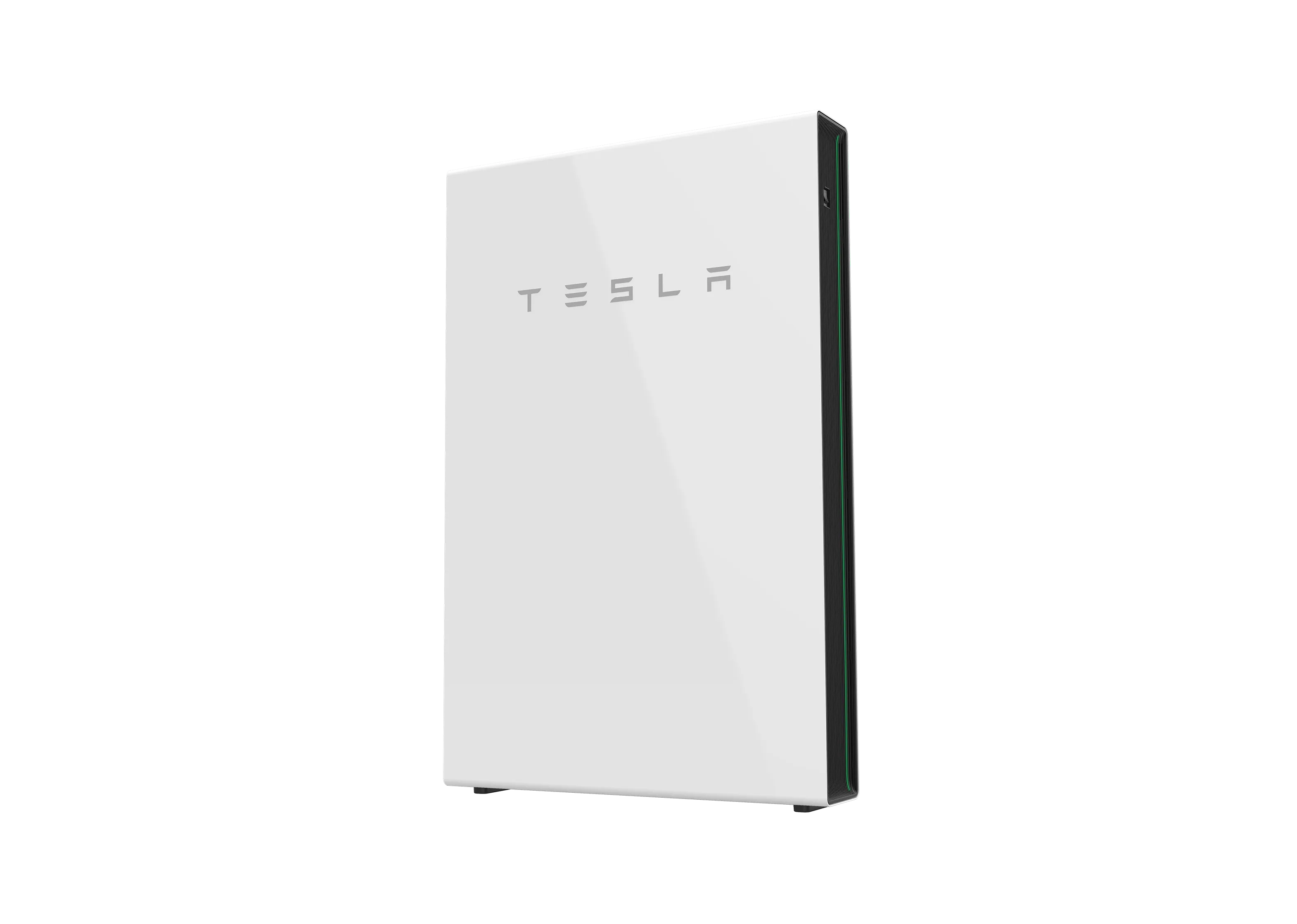
The Tesla Powerwall is a rechargeable lithium-ion battery designed to store electricity for residential use. It allows users to capture and conserve energy generated from solar power systems or even from the grid, which can then be used when the sun isn’t shining or energy prices are high. Since its launch in 2015, the Powerwall has undergone several iterations, with the latest version, the Powerwall 2, offering increased capacity and efficiency.
Recent Developments
As of 2023, Tesla has announced several updates to the Powerwall, including enhancements in battery technology and software capabilities. For instance, the latest models can store up to 13.5 kWh of energy, enough to power an average home through the night. Additionally, Tesla has improved its installation process, making it easier for homeowners to integrate the Powerwall with their existing solar systems.
Moreover, Tesla has reported a significant increase in demand for Powerwall units, driven by rising energy costs and a growing desire for energy resilience. The company’s expansion into international markets has further fueled this demand, with installations rapidly increasing in countries like the UK, Germany, and Australia.
Benefits and Considerations
The primary benefits of the Tesla Powerwall include energy independence, cost savings on electricity bills, and the potential to lower one’s carbon footprint. By using stored energy during peak hours, homeowners can avoid high energy rates and utilize renewable energy more effectively.
However, there are considerations to keep in mind. The initial investment can be substantial, and while prices have decreased since the initial launch, the total cost can still be a barrier for some consumers. Additionally, homeowners should also think about their local grid conditions and potential government incentives that might impact their decision.
Conclusion
The Tesla Powerwall represents a significant advancement in home energy storage solutions, addressing both consumer demand for renewable energy and the broader environmental objectives of reducing carbon emissions. As technology continues to improve and the world becomes more conscious of sustainable practices, the Powerwall may play a vital role in redefining how energy is used in residential spaces. Looking ahead, it is expected that advancements in battery technology will further enhance the affordability and efficiency of both the Powerwall and similar systems, paving the way for a future where energy independence is achievable for more households.