Introduction
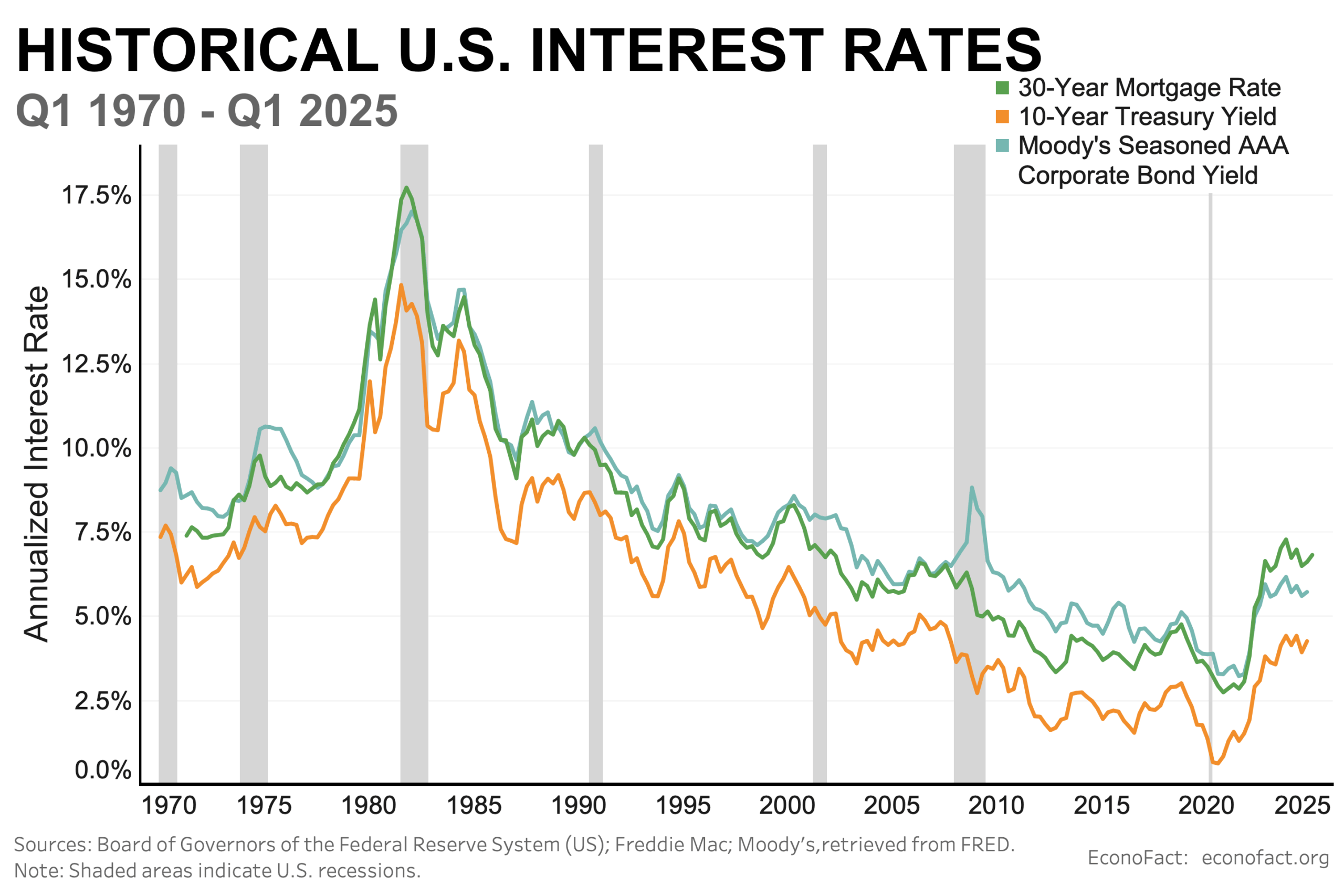
The 10 year treasury yield is one of the most closely watched financial indicators in the United States. It serves as a benchmark for borrowing costs across the economy and offers insights into investor sentiment regarding future economic conditions. Recent fluctuations in the yield have sparked discussions among economists, investors, and policymakers, making it a crucial topic in today’s financial landscape.
Current Trends in the 10 Year Treasury Yield
As of October 2023, the 10 year treasury yield has seen notable increases, reaching levels not witnessed in over a decade. Currently hovering around 4.5%, the yield has surged due to a combination of factors including the Federal Reserve’s ongoing interest rate adjustments aimed at combating inflation, which remains persistently high. The Fed’s decision to maintain a hawkish stance on monetary policy has prompted expectations of further rate hikes, thus influencing yield movements.
In addition to the Fed’s actions, economic data indicating stronger-than-expected job growth and consumer spending has boosted market confidence, further contributing to rising yields. Investors are reassessing their risk appetite, leading to shifts in capital flows and the demand for treasury securities.
Impact on Borrowing Costs and the Economy
The increase in the 10 year treasury yield has significant implications for various sectors of the economy. Higher yields typically lead to increased borrowing costs for businesses and consumers alike. Mortgages, auto loans, and credit card interest rates may all be subject to upward pressure, potentially dampening consumer spending and slowing economic growth.
Moreover, rising yields can influence stock market performance, as higher discount rates can lead to lower present values of future earnings, potentially making equities less attractive relative to fixed-income investments. As we approach the end of 2023, many analysts are closely monitoring the yield curve for signs of inversion, which historically has indicated an impending recession.
Future Projections and Significance
Looking ahead, the trajectory of the 10 year treasury yield remains uncertain. Analysts predict that while yields may stabilize, they could remain elevated as long as inflationary pressures persist and the Fed maintains its current policy path. The balance of economic growth and inflation will play a critical role in defining future movements in the treasury yield.
For readers and investors alike, understanding the dynamics of the 10 year treasury yield is essential for navigating the complex financial landscape. Whether considering investment strategies or making informed decisions about borrowing, the yield serves as a vital indicator of the broader economic conditions.
Conclusion
In summary, the 10 year treasury yield is a pivotal marker for economic health and monetary policy. It influences interest rates across various segments and offers valuable insights into market sentiment. As factors driving yield continue to evolve, staying informed will be key for stakeholders across the board to anticipate changes and adapt accordingly.