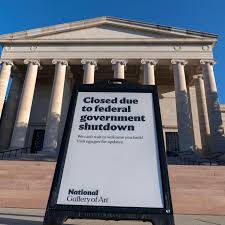
Introduction: The Importance of Federal Government Shutdowns
The impending federal government shutdown impedes various essential services and affects millions of Americans. The impact, ranging from economic strain to federal employee furloughs, emphasizes the critical need for political leaders to reach a budgetary consensus. With a government shutdown looming at the end of September 2023, understanding its implications is vital.
Current State of the Federal Government
As negotiations stall in Congress, the deadline to pass a budget or temporary funding measure approaches. Both parties have deep-seated disagreements over spending levels and priorities, particularly concerning defense, education, and social services. The Democrats advocate for maintaining current spending levels, while Republicans are pushing for significant cuts across various programs.
The Congressional Budget Office (CBO) reports that if a shutdown occurs, it could cost the economy an estimated $6 billion per week. Federal employees will face indefinite furloughs, and critical services—including national parks, public health programs, and various administrative functions—will be disrupted. The military will continue operations, but most civilian employees may be sent home without pay.
Historical Context
Government shutdowns are not uncommon and often arise from political stalemates. The last significant shutdown occurred in 2018-2019 over border security funding, lasting 35 days and leading to widespread frustrations among citizens, businesses, and federal employees. Each shutdown further complicates the relationship between the government and its constituents, highlighting the perpetual tug-of-war and accountability crisis in Washington D.C.
Consequences of a Shutdown
The consequences of a federal government shutdown can reverberate far beyond government employees. Many businesses that rely on federal contracts may face delays or cancellations, impacting private sector jobs. Citizens will also feel the pinch, as services like IRS operations, food inspections, and housing assistance come to a halt. Public faith in government efficiency may wane, leading to broader implications for future political engagements.
Looking Ahead: Forecasts and Significance
As the deadline nears, observers are keen to see how Congress will navigate these contentious negotiations. Analysts suggest that without bipartisan cooperation, the likelihood of a shutdown increases significantly. It is imperative for the public to stay informed about these developments, as the ramifications will affect every American in numerous and profound ways.
In conclusion, the ongoing debate surrounding the federal budget underscores significant divides in American politics. Only through constructive dialogue and compromise will Congress avoid a costly and disruptive government shutdown.