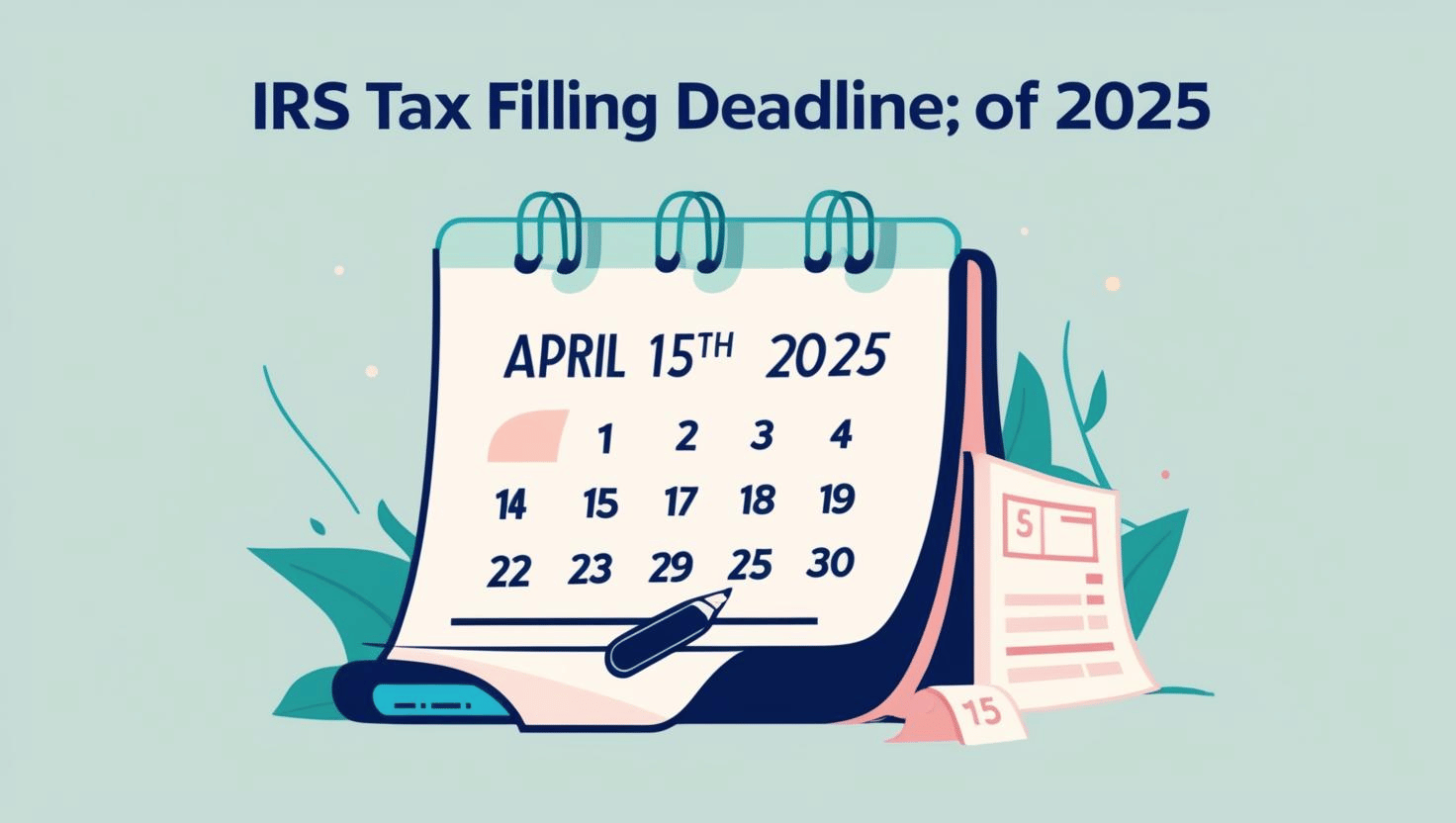
Importance of the Tax Filing Deadline
The tax filing deadline is a crucial time for individuals and businesses alike, dictating when income tax returns must be submitted to the Internal Revenue Service (IRS). Meeting this deadline is essential to avoid penalties and interest, ensuring compliance with federal tax regulations. For 2023, the tax filing deadline has significant implications for compliance, financial planning, and potential refunds.
Key Dates to Remember
In 2023, the federal tax filing deadline for individuals is set for April 18, as April 15 falls on a weekend. Taxpayers should ensure that all documents, such as W-2s, 1099s, and supporting documentation, are gathered well in advance. Those needing additional time can file for an extension, which pushes the deadline to October 16. However, it’s important to note that an extension to file does not grant an extension to pay any taxes owed.
Impact of Tax Changes
Recent changes to tax laws may also affect filing obligations. For instance, the increase in standard deduction limits and modifications to tax brackets could result in various tax liabilities for different income groups. Taxpayers need to stay informed about any credits or deductions they may be eligible for, as these can affect the amount due or refund expected, thus altering their financial planning.
Preparation Tips
To manage the approaching tax filing deadline, taxpayers are encouraged to take steps such as organizing their financial documents in advance, consulting with tax professionals if needed, and utilizing IRS resources for guidance. Filing electronically is recommended to expedite processing and ensure accurate submissions. Additionally, many taxpayers can check their refund status online after filing, providing transparency into the process.
Conclusion
As April approaches, understanding the tax filing deadline and its implications becomes increasingly crucial. By preparing early and staying informed about tax law changes, taxpayers can avoid pitfalls, minimize tax liabilities, and maximize potential refunds. Meeting the 2023 tax filing deadline not only fulfills legal obligations but also lays the groundwork for effective financial management throughout the year.