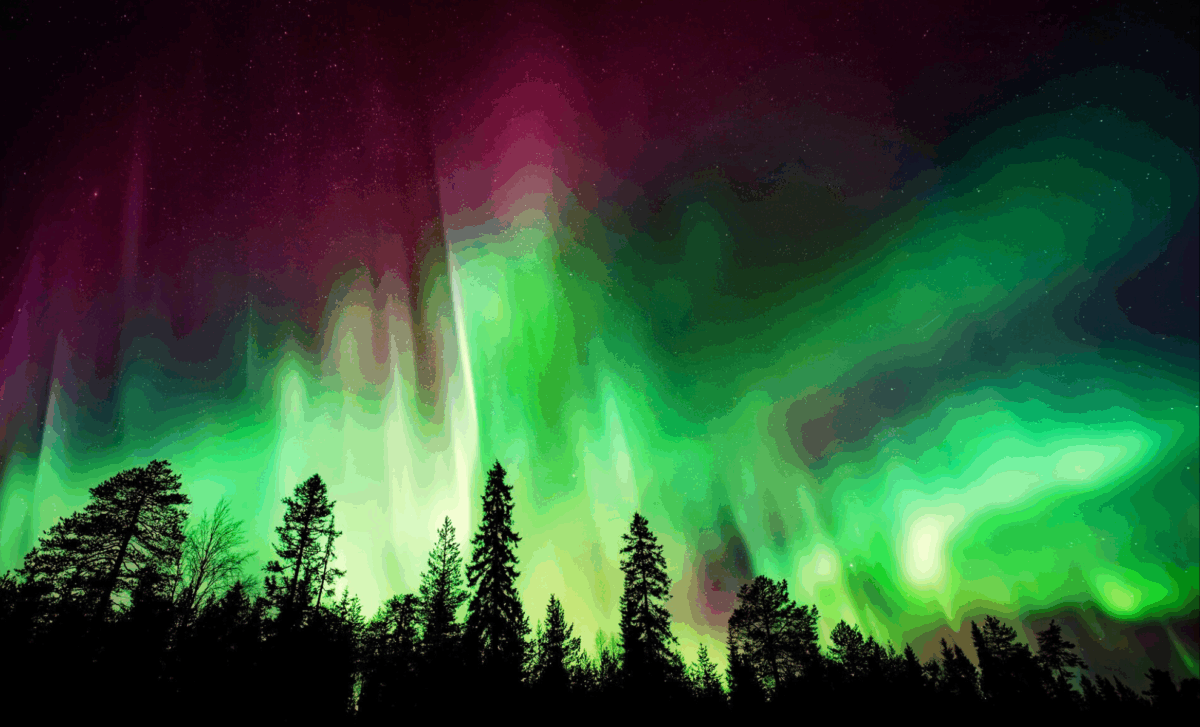
The Beauty of the Aurora Borealis
The aurora borealis, also known as the northern lights, is a natural light display predominantly seen in high-latitude regions near the Arctic. This stunning phenomenon occurs when charged particles emitted by the sun collide with the Earth’s atmosphere, creating vibrant colors in the night sky. The significance of the aurora goes beyond its breathtaking beauty; it also serves as an indicator of solar activity and has implications for technology on Earth.
What are Geomagnetic Storms?
Geomagnetic storms are disturbances in the Earth’s magnetic field caused by solar wind—a stream of charged particles coming from the sun. These storms can result from coronal mass ejections (CMEs) or high-speed solar wind streams. During periods of increased solar activity, these storms can enhance the displays of the aurora borealis, allowing them to be seen at lower latitudes than usual.
Recent Events and Impacts
In recent months, several significant geomagnetic storms have occurred, creating spectacular auroral displays across numerous regions. For instance, in mid-October 2023, a strong geomagnetic storm hit Earth resulting in colorful displays visible as far south as the northern United States. This event highlighted not only the beauty of the aurora but also the connection between solar activity and Earth’s magnetic field.
Experts from the National Oceanic and Atmospheric Administration (NOAA) forecast that the current solar cycle, known as Solar Cycle 25, is expected to peak in mid-2025, leading to more frequent and intense geomagnetic storms. The NOAA’s Space Weather Prediction Center has been actively monitoring these developments, providing alerts and forecasts to help mitigate potential impacts on communication systems and power grids.
Conclusion: The Importance of Monitoring Solar Activity
As we witness these spectacular natural phenomena, it’s crucial to recognize the broader implications of geomagnetic storms. Understanding the aurora borealis and its connection to solar activity can help society prepare for potential technology disruptions. As solar cycles continue to shape our environment, both scientific study and public awareness will be key to harnessing the beauty and mitigating the risks associated with these extraordinary displays. The aurora borealis serves as not just a visual wonder but also a reminder of the dynamic relationship between our planet and the sun.