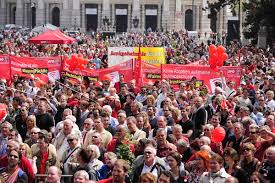
The Importance of Labor Day
Labor Day, observed on the first Monday of September, serves as a tribute to the contributions and achievements of American workers. It is a federal holiday marked by celebrations, parades, and family gatherings, highlighting the significance of labor in our society. Since its establishment, Labor Day has become a symbol of the labor movement and the ongoing struggle for workers’ rights.
Historical Background
Labor Day was first celebrated in the late 19th century during a period of significant industrialization in the United States. The origins of the holiday can be traced back to the labor union movement, which arose in response to poor working conditions, low wages, and long hours faced by workers. The first Labor Day parade took place in New York City on September 5, 1882, organized by the Central Labor Union. It was a rallying point for workers, advocating for fair treatment and better labor policies.
Recognition as a Federal Holiday
In 1894, in the aftermath of a nationwide railroad strike called the Pullman Strike, Congress officially made Labor Day a national holiday in an effort to pacify the labor movement and honor the efforts of workers. This act recognized the importance of labor in maintaining the nation’s economy and the welfare of its citizens. Today, Labor Day is one of the few holidays that honors workers and acknowledges their vital role in society.
Celebrations and Traditions
Labor Day celebrations typically include parades, picnics, and various public events, where communities gather to recognize the importance of workers. It also marks the unofficial end of summer in the United States, making it a day to enjoy barbecues and outdoor activities. Many people take this long weekend as an opportunity for family trips or to relax before the school year begins.
Current Significance
As the labor landscape evolves with changes in technology and the economy, Labor Day continues to remind us of the progress made in labor rights and the work still to be done. Issues such as minimum wage, worker benefits, and workplace safety remain relevant, and Labor Day provides an opportunity to reflect on these ongoing challenges.
Conclusion
Labor Day is more than just a day off; it is a powerful reminder of the contributions made by workers throughout American history. The holiday emphasizes the importance of workers’ rights and serves as a catalyst for ongoing dialogue about labor issues in the modern era. As we celebrate this day each year, it is crucial to remember the sacrifices made to secure labor rights and to advocate for the fair treatment of all workers today.