Introduction
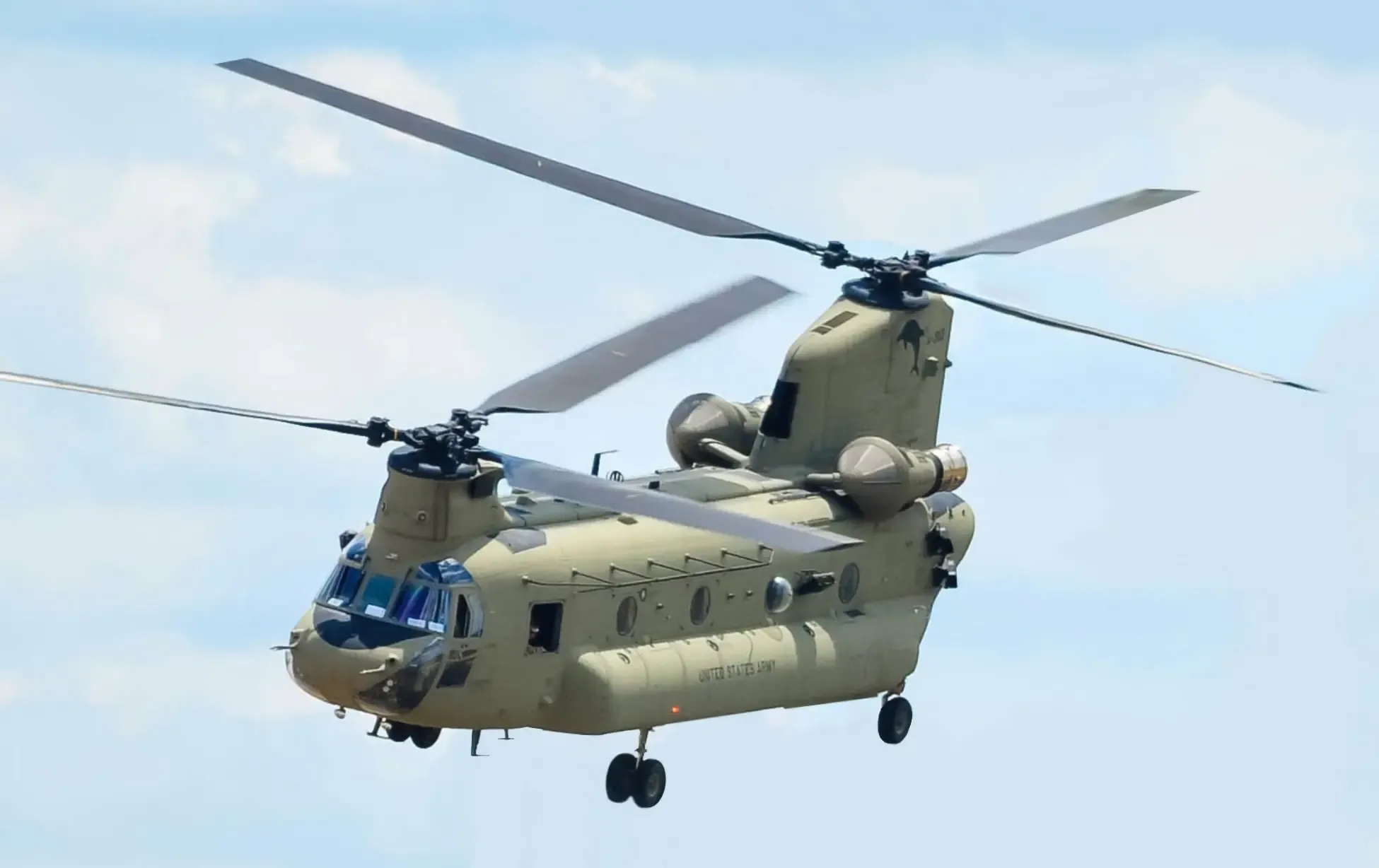
The Chinook helicopter, officially designated as CH-47, is a twin-rotor, heavy-lift transport helicopter that has become a critical component of military operations around the world. Its versatility and robust design make it a valuable asset for transporting troops, supplies, and conducting versatile missions across various terrains. The relevance of the Chinook lies in its ability to support military and humanitarian efforts, especially in challenging environments.
Historical Background
The Chinook helicopter was conceived in the late 1950s, designed by Boeing, and first entered service during the Vietnam War in the 1960s. The helicopter’s distinctive profile, characterized by its tandem rotor system, allows for greater lift capacity and stability, making it effective in carrying heavy payloads. The design was initially met with skepticism, but its performance proved indispensable during military operations, solidifying its reputation among armed forces worldwide.
Current Use and Capabilities
Today, the Chinook is utilized by numerous military branches globally, including the United States Army and various international allies. The CH-47 can carry up to 55 soldiers or accommodate 24 litter patients, showcasing its capacity for troop transport during conflicts and emergencies. Its versatility extends to carrying cargo, vehicles, and conducting search and rescue operations.
Recently, the U.S. Army has upgraded many of its Chinook helicopters with modern avionics, improved engines, and advanced technology to enhance their operational effectiveness. These upgrades keep the Chinook relevant in contemporary military operations, providing support in diverse situations, from disaster response to combat missions.
Impact on Military Operations
The significance of the Chinook helicopter in military operations cannot be overstated. Its ability to perform under various conditions and adapt to changing warfare environments has made it a centerpiece of logistical support for troops. In crises like natural disasters or conflicts, the Chinook provides timely assistance and is often the first aircraft to deliver aid to affected regions.
Conclusion
As global military operations evolve, the Chinook helicopter continues to play a pivotal role in supporting missions that require heavy-lift capabilities and adaptability. Its proven track record and ongoing modernization efforts ensure that it remains a vital element of military strategies. For readers interested in military technology and aviation, understanding the Chinook helicopter offers insights into the development of modern aerial capabilities and the importance of logistics in military success.