Introduction
The Gaza Strip, a small coastal enclave situated between Israel and Egypt, has long been a focal point of geopolitical tension and humanitarian concern. The ongoing conflicts and humanitarian crises in this region have significant implications for international relations and human rights. Recent events have escalated the urgency of addressing the needs of its residents amidst the volatility.
Recent Developments
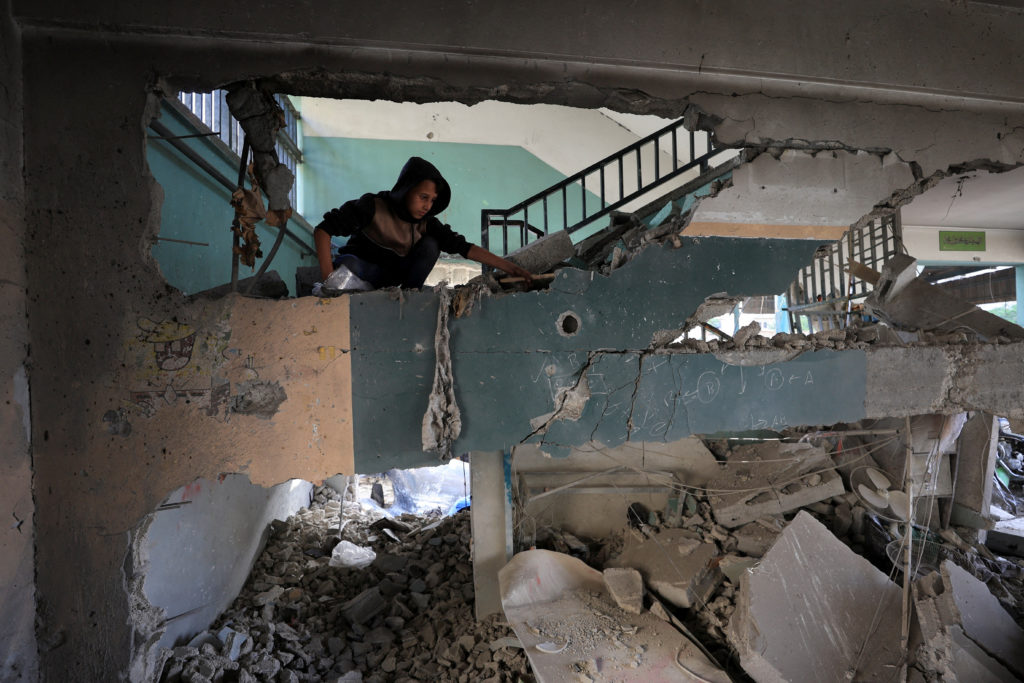
In October 2023, conflicts in the Gaza Strip intensified following a series of military operations by the Israel Defense Forces (IDF) targeting Hamas infrastructure. This comes in the wake of increased hostilities earlier this year that caused significant casualties on both sides. The humanitarian situation has further deteriorated, with reports indicating that approximately 2 million residents are facing critical shortages of food, water, and medical supplies. The UN has repeatedly warned that the ongoing blockade and violence have created a dire environment for civilians, making access to basic resources extremely challenging.
As the conflicts escalate, major international organizations, including the World Health Organization (WHO) and the Red Cross, are mobilizing efforts to deliver aid. Last month, the WHO reported that health facilities in Gaza are overwhelmed and lacking essential medicines and equipment, with many hospitals operating far beyond their capacity. Additionally, access to clean water is becoming increasingly scarce as sewage treatment facilities have been damaged in the fighting, leading to concerns about potential outbreaks of waterborne diseases.
International Response
The international community’s response has been mixed. While many countries have condemned the violence and called for ceasefires, others have continued to support military action based on their geopolitical interests. The United Nations has attempted to broker peace talks but faced challenges given the entrenched positions of both parties. Human rights organizations have called for an immediate end to hostilities and an increase in humanitarian aid access to alleviate the suffering of civilians caught in the crossfire.
Conclusion
The situation in the Gaza Strip remains critical and complex, marked by ongoing violence, humanitarian challenges, and international diplomacy efforts that often fall short. As winter approaches, aid agencies are warning that conditions could worsen if immediate actions are not taken to provide relief. The struggle for peace in this region is not only a local concern but a significant matter affecting global stability, with the potential for escalation into broader conflicts. For readers seeking to understand the implications of the Gaza Strip crisis, it is essential to stay informed on developments and consider the human costs associated with ongoing geopolitical disputes.