Introduction
Oil prices are a significant indicator of global economic health and stability. In recent months, fluctuations in oil prices have captured headlines, influencing not just energy costs but also a wide range of industries from transportation to manufacturing. The relevance of monitoring these trends is accentuated by their potential impact on inflation rates and consumer behavior.
Current Trends and Factors Affecting Oil Prices
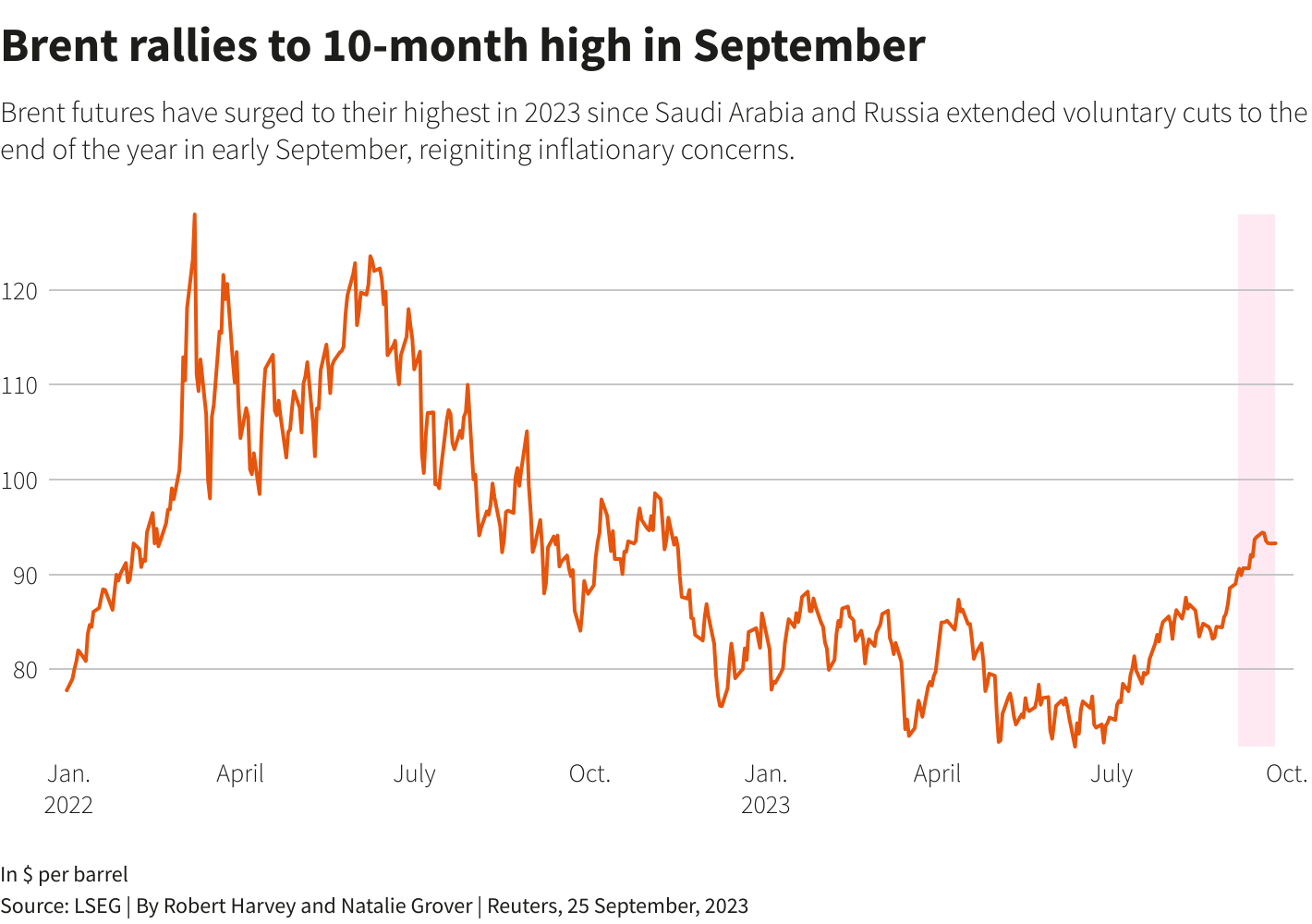
As of October 2023, oil prices have been subject to various geopolitical and economic factors. The ongoing conflict in Eastern Europe, especially concerning Ukraine, has disrupted traditional oil supply routes, resulting in increased prices. Recent reports indicate that the price of Brent crude oil increased by nearly 10% in September alone, reaching $90 a barrel for the first time in several months.
Additionally, the Organization of the Petroleum Exporting Countries (OPEC+) announced production cuts aimed at stabilizing the market. Analysts believe that these cuts have inflated prices further, as they reduce the volume of oil entering the market. The global demand for energy has not waned, especially as economies emerge from the pandemic and ramp up activities.
Market Reactions and Economic Implications
Supply chain disruptions and shipping shortages have compounded the issue, leading to a ripple effect on not just fuel prices but also costs for goods transported over long distances. The U.S. Energy Information Administration (EIA) projects that if the current trends continue, consumers could face a rise in gasoline prices, which could consequently fuel inflation.
Investors are closely watching oil futures contracts as they reflect expectations for future pricing dynamics. Currently, there is a consensus that oil prices may remain elevated due to geopolitical tensions and economic recovery processes. Moreover, renewable energy production is slowly gaining a foothold, but the transition is proving to be gradual.
Conclusion
In conclusion, the current trends in oil prices reflect a complex interplay of geopolitical tensions, production decisions by major oil producers, and recovering global demand. The consequences of fluctuating oil prices have wide-reaching implications, affecting everything from consumer purchasing power to inflation rates. For individuals and businesses alike, understanding these dynamics will be critical in navigating potential economic changes in the coming months. As the global energy landscape shifts, staying informed on oil prices remains essential for strategic planning and decision-making.