Introduction
The possibility of a government shutdown in the United States has become a pressing issue, especially with the current political climate. Recent discussions among Democrats and Republicans have intensified as both sides struggle to reach a budget agreement. Understanding the implications of this potential shutdown is crucial, as it could affect millions of Americans, from federal workers to vital public services.
Current Status of Budget Negotiations
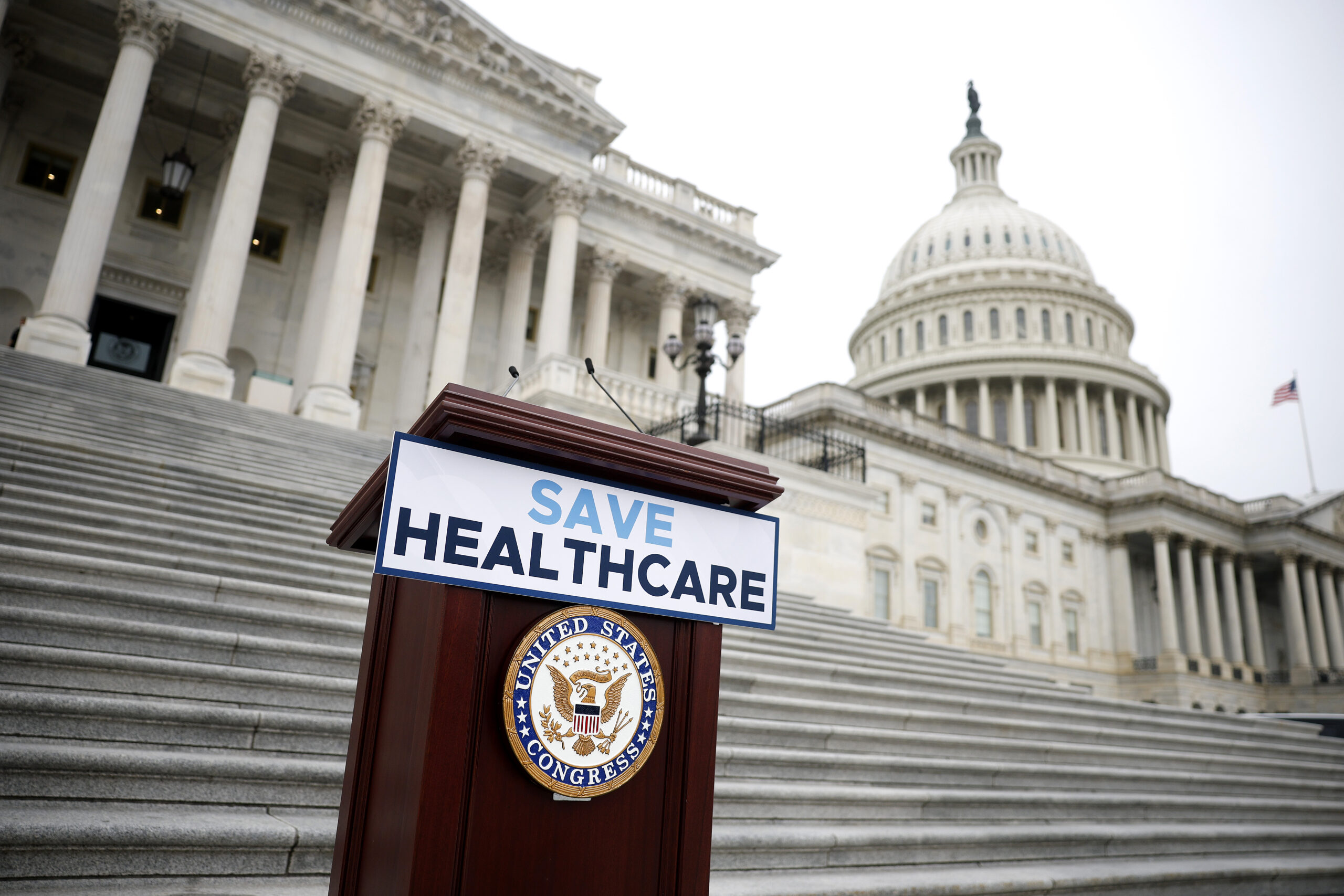
As of late September 2023, negotiations in Congress are at a standstill, with Democrats and Republicans locked in a contentious battle over funding priorities. The Democrats are advocating for increased spending on social programs and healthcare, while Republicans are pushing for significant cuts to government expenditures. If an agreement is not reached before the fiscal year ends on September 30, a government shutdown is expected to commence.
Recent polling indicates that a significant portion of the public blames both parties for the impending shutdown, leading to rising concerns about the political ramifications. However, Democrats, facing pressure from their legislative base, are navigating a tightrope in balancing progressive demands with the need for bipartisan support. Some Democratic leaders believe that a short-term funding bill, known as a Continuing Resolution (CR), could be a temporary solution, allowing more time for negotiation.
Impact on Federal Employees and Services
A government shutdown would mean that many federal employees would be furloughed, which could disrupt critical services. Various agencies, including the IRS, the Department of Labor, and national parks, would shut down operations, affecting numerous citizens who rely on these services daily. Furthermore, the economic ramifications could be severe, particularly in areas heavily dependent on federal funding.
Conclusion and Future Outlook
As the September 30 deadline approaches, the urgency for both parties to compromise becomes more apparent. While predictions about the outcome of the negotiations remain uncertain, it is clear that continuous public pressure could influence the decision-making process of lawmakers. The potential for a government shutdown underlines a larger concern regarding political dysfunction in Washington; how the Democrats and Republicans manage this crisis could set the stage for future interactions.
For citizens, staying informed and voicing opinions may play a pivotal role in shaping the outcome. As the situation unfolds, it will be crucial to observe how the implications of the Democrats government shutdown evolve over the coming weeks.