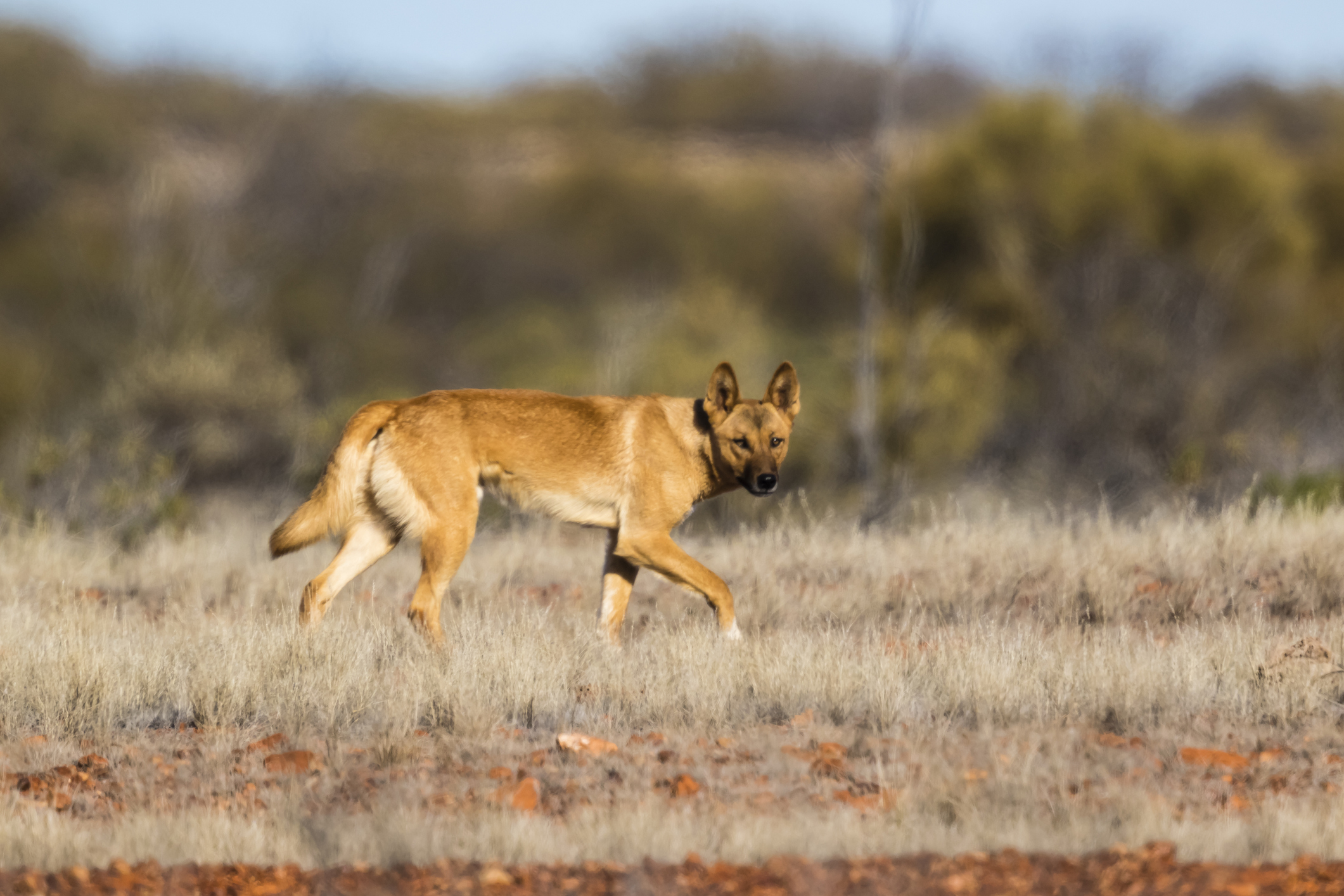
Introduction to the Dingo
The dingo, often referred to as the wild dog of Australia, holds a significant place in both the ecosystem and the cultural identity of the continent. With a complex history and a remarkable adaptability to the Australian environment, understanding the dingo is crucial to appreciating the biodiversity of Australia.
Physical Characteristics and Habitat
Dingoes are medium-sized dogs, typically weighing between 30 to 50 pounds and standing about 18 to 24 inches tall at the shoulder. Their coats can vary in color from sandy yellow to red, and they possess distinctive erect ears and bushy tails. Found in a variety of environments—ranging from deserts to forests—dingoes show remarkable adaptability and resilience, which aid their survival in the harsh Australian wilderness.
Role in the Ecosystem
Dingoes play a crucial role in their ecosystem as apex predators, helping to maintain the balance of local wildlife populations. By hunting kangaroos, rabbits, and other small mammals, they help control these populations, ultimately contributing to the health of the ecosystems they inhabit. However, the arrival of humans and domestic dogs has disrupted their role. Hybridization has diluted the dingo’s gene pool, raising concerns about their conservation status.
Cultural Significance
For Indigenous Australians, dingoes have been an integral part of their cultural narrative for thousands of years. They feature prominently in Aboriginal stories and traditions, symbolizing strength and adaptability. The dingo’s presence in traditional hunting practices also highlights its importance in food sourcing and survival.
Current Status and Conservation Efforts
Despite their ecological importance, dingoes face numerous threats, including habitat loss, hybridization with domestic dogs, and persecution due to livestock protection concerns. Conservation efforts are underway in various regions, seeking to protect these unique animals and their habitats. Initiatives include establishing dingo preservation zones and informing the public about the ecological significance of maintaining a healthy dingo population.
Conclusion
The dingo stands as a symbol of Australia’s wild heritage and natural balance. Acknowledging its role not just as a species but as a part of cultural identity and ecological health is vital for future conservation efforts. As Australia continues to face environmental changes, understanding and protecting the dingo will be critical in preserving the uniqueness of Australian wildlife for generations to come.