Introduction
The Federal Reserve, often referred to as the Fed, serves a crucial role in the United States economy. Its decisions on interest rates and monetary policy can significantly influence inflation, employment rates, and overall economic growth. Recent decisions by the Fed have garnered attention as they reflect broader economic conditions and help shape market expectations.
Current Fed Decision and Economic Context
As of September 2023, the Federal Reserve has opted to maintain interest rates steady at the range of 5.25% to 5.50%. This decision comes in light of ongoing inflation concerns, which have remained above the Fed’s target rate of 2%. The central bank’s decision is particularly crucial as it comes amidst a backdrop of fluctuating economic indicators, including job growth, consumer spending, and global economic uncertainties stemming from geopolitical tensions.
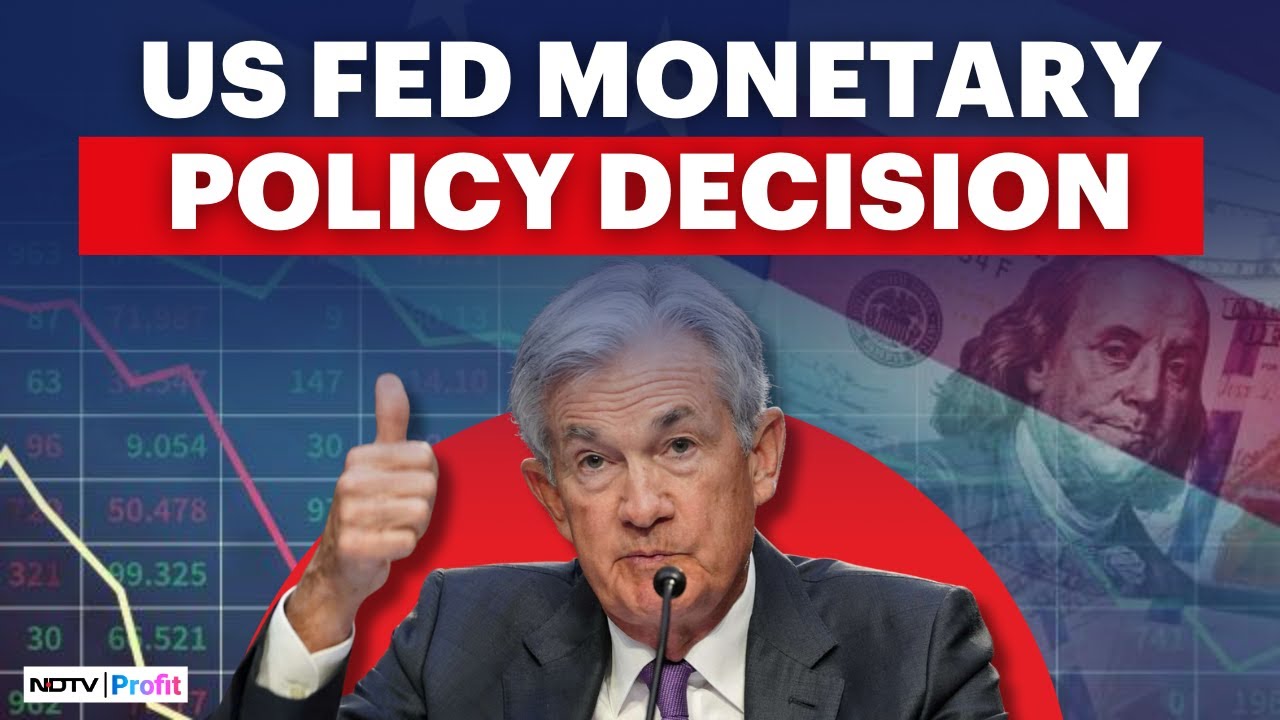
Analysts were divided prior to the announcement, with some predicting a possible rate hike due to persistent inflation, while others believed the current economic indicators warranted a pause. Federal Reserve Chair Jerome Powell emphasized the need for a cautious approach, citing the importance of reassessing economic data before making further adjustments to rates. This cautious stance reflects the Fed’s dual mandate to promote maximum employment and stable prices.
Reactions from Markets and Economists
Markets responded positively to the Fed’s decision, with many investors interpreting the pause as a sign that the central bank is carefully navigating the fine line between combating inflation and supporting economic growth. The stock market saw a modest increase, and investors shifted focus toward upcoming economic data releases that could sway future Fed actions.
Economists point out that maintaining interest rates within this current range allows businesses and consumers to plan for the future while the Fed continues to monitor inflation trends closely. The expectation is that if inflation persists or if economic growth slows significantly, the Fed may opt for a rate adjustment in upcoming meetings.
Conclusion
The Fed’s decision-making process is vital not only for the U.S. economy but also for global financial markets. As inflationary pressures continue to challenge many economies, the Fed’s adaptive strategies will draw attention from investors, policymakers, and businesses alike. Ongoing monitoring of economic indicators, including job data and consumer spending, will be critical in guiding the Fed’s future decisions. Readers should remain informed and prepared for how the Fed’s actions might influence their financial decisions and the economy at large in the months ahead.