Introduction
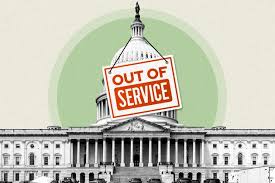
The prospect of a federal government shutdown remains a pressing concern in the United States, particularly as budget negotiations continue to falter. Each year, the threat of budget impasses leads lawmakers to consider the implications of halting government operations. Understanding the importance of this topic is crucial for citizens who rely on government services, employees affected by potential furloughs, and businesses that feel the ripple effects across the economy.
What is a Federal Government Shutdown?
A federal government shutdown occurs when Congress fails to pass sufficient appropriation bills to fund government operations and agencies. This halt typically leads to the suspension of non-essential services and furloughs for federal workers. During a shutdown, agencies prioritize essential functions such as national security, essential air traffic control, and emergency responses, while many other services cease altogether.
The Current Situation
As of October 2023, the U.S. government is facing significant turmoil with ongoing budget disputes, threatening to push the nation towards yet another shutdown. Recent discussions in Congress have failed to yield agreement on a spending plan, with disagreements primarily stemming from differing priorities surrounding discretionary spending, appropriations for defense, education, and social programs. The potential shutdown would affect millions of Americans, bringing uncertainty not only to government employees but also to the broader economy.
Impacts of the Shutdown
The impacts of a federal government shutdown are vast. Federal agencies scramble to put contingency plans in place, leaving many employees uncertain about their status. During past shutdowns, hundreds of thousands of federal workers faced furloughs, while others continued working without pay. Additionally, services such as passport processing, small business loans, and grants suffer interruptions. For the private sector, particularly businesses reliant on government contracts, a shutdown can lead to financial strain and uncertainty as projects delay.
Conclusion
In summary, the ongoing negotiations surrounding the federal government budget are crucial for ensuring that government operations can continue without interruption. The ramifications of a shutdown extend far beyond federal employees, affecting millions of Americans and various sectors of the economy. As Congress attempts to navigate these complexities, it is essential for citizens to remain informed about potential outcomes and encourage their representatives to reach a timely resolution. The hope is that lawmakers will find common ground to prevent further disruption in government services and ensure stability for workers and businesses alike.