Introduction
The threat of a government shutdown has reemerged as one of the pressing issues facing American lawmakers, highlighting the deeply divided political climate. A government shutdown occurs when non-essential discretionary federal programs close due to a lack of funding approval from Congress. With the current fiscal year drawing to a close, the stakes are high as Congress scrambles to finalize a budget that can avert such a crisis.
Recent Events Leading to the Vote
The recent debate in the Senate revolves around the proposed budget bills that are critical for avoiding a government shutdown. Earlier this week, the Senate held significant discussions on spending measures aimed at addressing the financial needs of various federal agencies. Lawmakers from both sides of the aisle expressed their concerns about the budget, with Republicans advocating for stringent spending cuts and Democrats pushing for a more balanced approach that would preserve essential services.
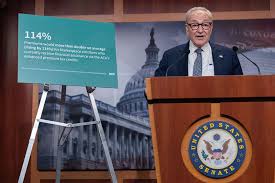
As the deadline approaches, these discussions have intensified, leading to a pivotal vote scheduled for this coming Friday. Senate Majority Leader Chuck Schumer indicated that failure to pass a budget would not only halt government operations but could also delay payments to federal employees and disrupt services nationwide, further escalating tensions among lawmakers.
Implications of a Government Shutdown
The implications of a government shutdown are far-reaching. Hundreds of thousands of federal employees could be furloughed, and many government services would be significantly curtailed. This could mean disruptions in everything from national parks and museums to critical programs supporting veterans and low-income families. Economists warn that prolonged shutdowns could negatively impact the economy, with potential losses in GDP and consumer confidence.
What to Expect Ahead of the Vote
As the Senate prepares for the vote, several scenarios are unfolding. One possibility is that bipartisan support could emerge, allowing for a temporary funding extension known as a continuing resolution. This would buy Congress more time to negotiate a comprehensive budget. However, partisan divisions remain strong, and last-minute amendments could complicate the vote. The outcome will reveal not only the priorities of Congress but also the potential for cooperation in future budget discussions.
Conclusion
The impending Senate vote on the budget is a critical pivot point that could either avert a government shutdown or bring about significant operational disruptions across the country. As citizens watch closely, the outcome may also indicate the broader political landscape and the potential for bipartisan collaboration in addressing fiscal challenges. With pressures mounting and the deadline looming, all eyes will be on the Senate to see if they can find common ground in resolving these issues effectively.