Introduction
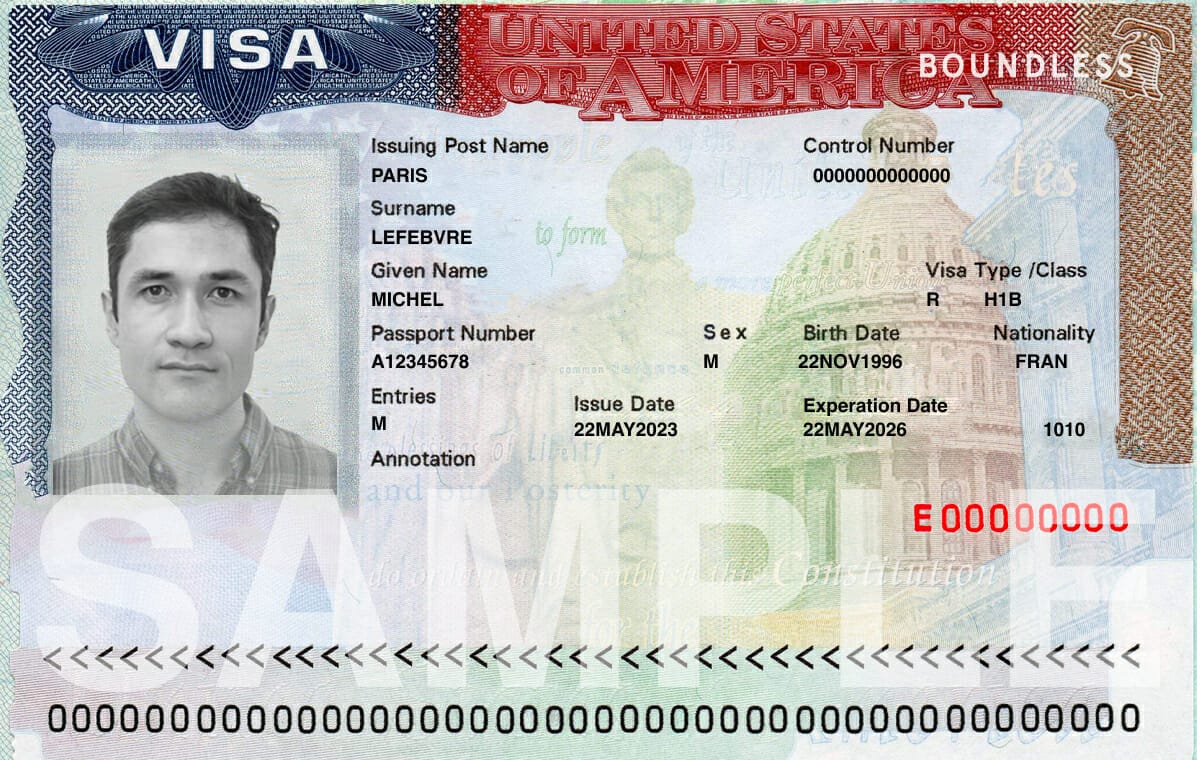
The H1B visa program plays a critical role in allowing U.S. companies to employ foreign workers in specialty occupations. With the increasing demand for skilled labor in tech, healthcare, and engineering sectors, the relevance of the H1B visa has surged lately. As of 2023, numerous changes and trends have emerged that impact both employers and potential visa holders.
Current Status of the H1B Visa Program
As of March 2023, the total number of H1B visas available annually remains capped at 65,000, with an additional 20,000 reserved for workers with advanced degrees from U.S. institutions. According to the U.S. Citizenship and Immigration Services (USCIS), the application process has become significantly more competitive, with thousands more applications submitted than available visas.
In fiscal year 2023, USCIS reported that it received a total of 483,927 H1B applications during the initial registration period, leading to a selection rate of just over 13%. This marks an increase from previous years and highlights the ongoing demand for foreign talent in the U.S. labor market.
Policy Changes Impacting H1B Visa Applicants
Recent policy changes have also brought notable updates to the H1B visa process. In 2022, the Biden administration took steps to enhance the ability of innovative companies to recruit top talent, including expansions to the definition of ‘specialty occupations.’ Companies now have a broader scope of roles that could be covered under this visa category, including emerging fields such as artificial intelligence and biotechnology.
Furthermore, rapid advancements in remote work have prompted discussions about the extension of H1B visa validity for remote jobs, allowing workers significant flexibility in employment while complying with U.S. immigration laws.
Future Trends and Challenges
Looking ahead, experts predict that continued pressures on the labor market may lead to a reform of the H1B visa program, as advocates push for more visas to be made available to high-demand sectors. In addition, the enforcement of labor standards and the scrutiny of employer compliance are expected to intensify, ensuring that U.S. workers are not disadvantaged by foreign labor.
Conclusion
The H1B visa remains an essential avenue for skilled foreign workers aiming to contribute to the U.S. economy. As changes continue to unfold, potential applicants and employers should stay informed about new regulations and trends that may affect their eligibility and strategies for utilizing the H1B visa. The ongoing debate surrounding immigration and labor needs underscores the significance of this visa in shaping the future workforce in the United States.