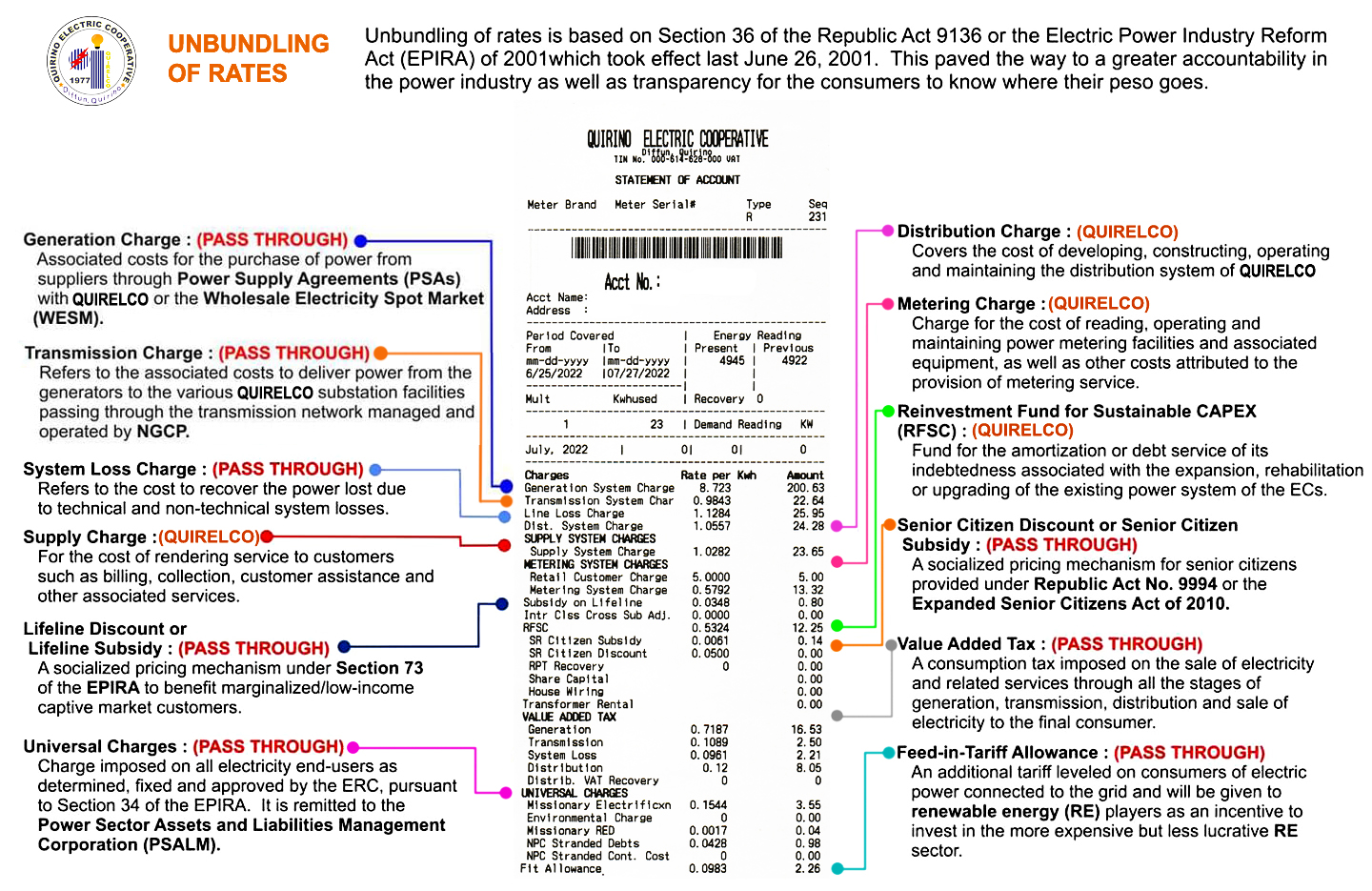
The Importance of Energy Rates
Energy rates are a crucial aspect of both household budgets and business operating costs, influencing everything from daily expenses to long-term investment strategies. As energy prices fluctuate, consumers and businesses alike must adapt to stay within budget. Understanding these rates and the factors that drive them is essential for making informed decisions.
Current Trends in Energy Rates
As of late 2023, energy rates have seen significant increases across the United States. The U.S. Energy Information Administration (EIA) reported that residential electricity prices have jumped by approximately 15% compared to the previous year, with natural gas prices following a similar trend. These increases can be attributed to a combination of factors including inflation, supply chain disruptions, and heightened demand following the pandemic recovery.
Factors Influencing Energy Rates
Several key factors contribute to the rising energy rates:
- Supply and Demand: An increase in demand for energy, particularly during extreme weather conditions, places pressure on supply, leading to higher prices.
- Infrastructure Issues: Aging infrastructure and the need for upgrades can lead to inefficiencies and higher costs passed onto consumers.
- Global Events: Political instability in oil-rich regions, changes in trade agreements, and global economic trends can significantly impact energy prices.
Impact on Consumers
For consumers, rising energy rates mean increased utility bills, which can strain household budgets, especially for low-income families. Those on fixed incomes are particularly vulnerable as their income does not increase to offset rising costs. A recent survey by the National Energy Assistance Directors’ Association highlighted that nearly 60% of U.S. households have reported energy bills that exceed their ability to pay.
Future Outlook and Conclusion
Looking ahead, experts warn that energy rates may continue to rise as utilities invest in sustainable infrastructure, while also grappling with transitioning to renewable energy sources. While investments in green technology promise long-term savings and environmental benefits, the transition costs can initially lead to higher prices.
In conclusion, understanding energy rates and their implications is vital for consumers and businesses. As rates rise, being proactive about energy consumption, seeking energy-efficient solutions, and staying informed about market trends can help mitigate the financial impact of these increases. The landscape of energy pricing is changing, and adapting to these changes will be crucial for managing future expenses.