Introduction
The 10-year Treasury yield is a critical indicator in the U.S. financial markets, representing the government’s borrowing cost over a decade. As a benchmark for various interest rates, it plays a significant role in shaping economic policy and can influence everything from mortgage rates to stock market performance. Recently, fluctuations in this yield have garnered increased attention due to their potential implications on inflation and economic growth.
Current Trends
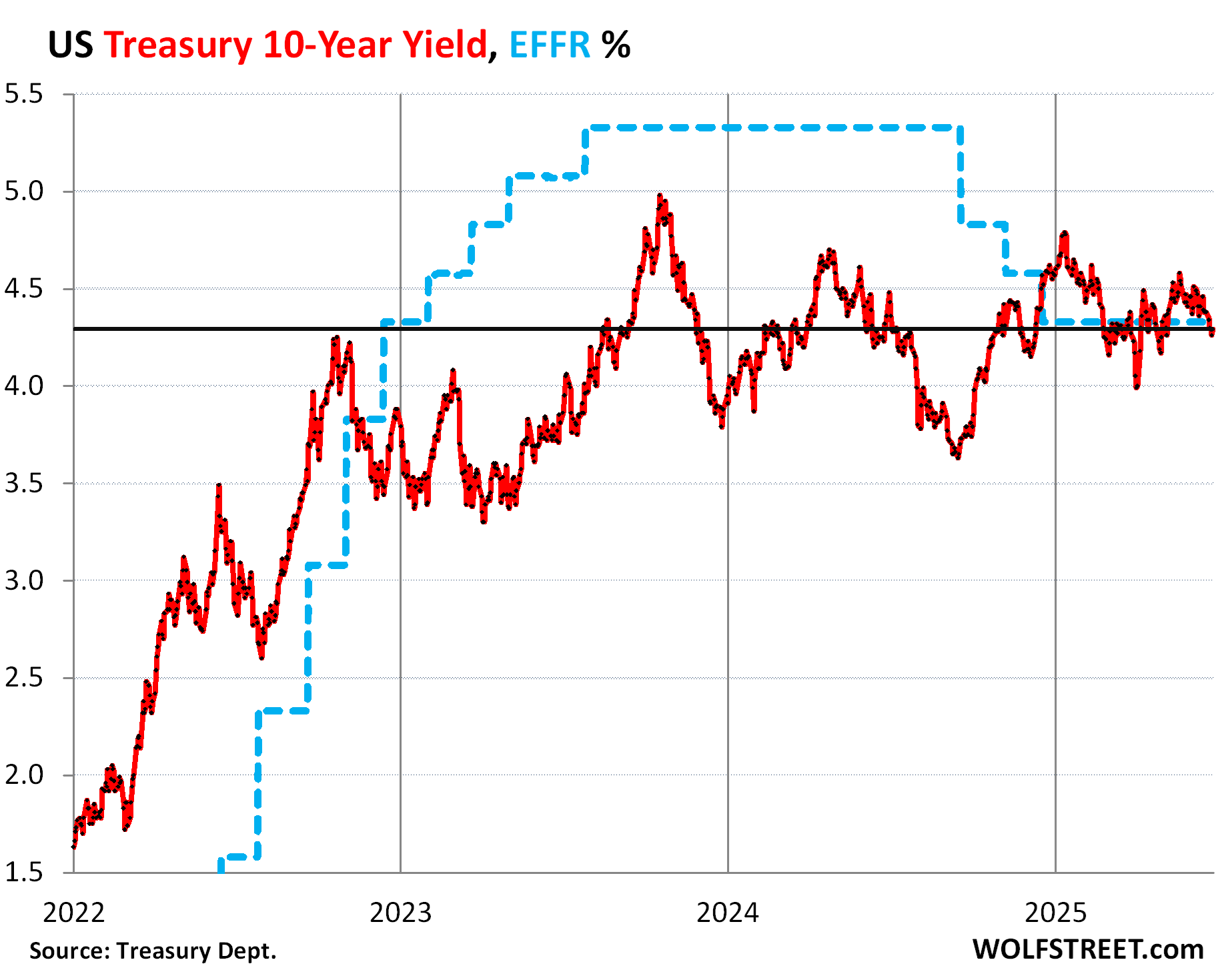
As of late October 2023, the 10-year Treasury yield has experienced notable volatility, reaching approximately 4.7%, its highest level since 2007. This rise is partly attributed to the Federal Reserve’s persistent interest rate hikes intended to combat inflation, which remain at elevated levels, around 3.7%. Higher yields often signal tighter financial conditions; consequently, many investors are closely monitoring developments.
Market analysts are predicting that the Federal Reserve might pause its rate increases soon, given potential economic slowdowns. However, certain factors might complicate that outlook. For example, recent job reports showcase a resilient labor market with unemployment rates remaining low. Strong labor data could prompt the Fed to continue with its tightening stance, potentially pushing yields even higher.
Broader Economic Implications
The implications of the 10-year Treasury yield stretch across various sectors of the economy. For homeowners, rising yields typically translate to increased mortgage rates, making home financing more expensive. This has been evident in the housing market where affordability challenges are on the rise, leading to slowing sales. Additionally, corporate borrowing costs are gradually escalating, affecting businesses’ ability to invest and expand, thereby influencing future economic growth.
Investment strategies are also adapting to these yield changes. With rising yields, investors have shown a discernible preference for bonds over stocks as the fixed payments become more attractive. This shift often leads to decreased stock prices as capital moves across assets.
Conclusion
The current trajectory of the 10-year Treasury yield is crucial for both market participants and policymakers. As this yield significantly influences borrowing costs and overall economic activity, continued monitoring of its movement will be essential. If the yields stabilize or decline, there may be newfound optimism in the markets. Conversely, persistent increases could signal more challenging economic conditions. Understanding these shifts can equip readers with knowledge concerning potential risks and opportunities in the financial landscape.