Introduction
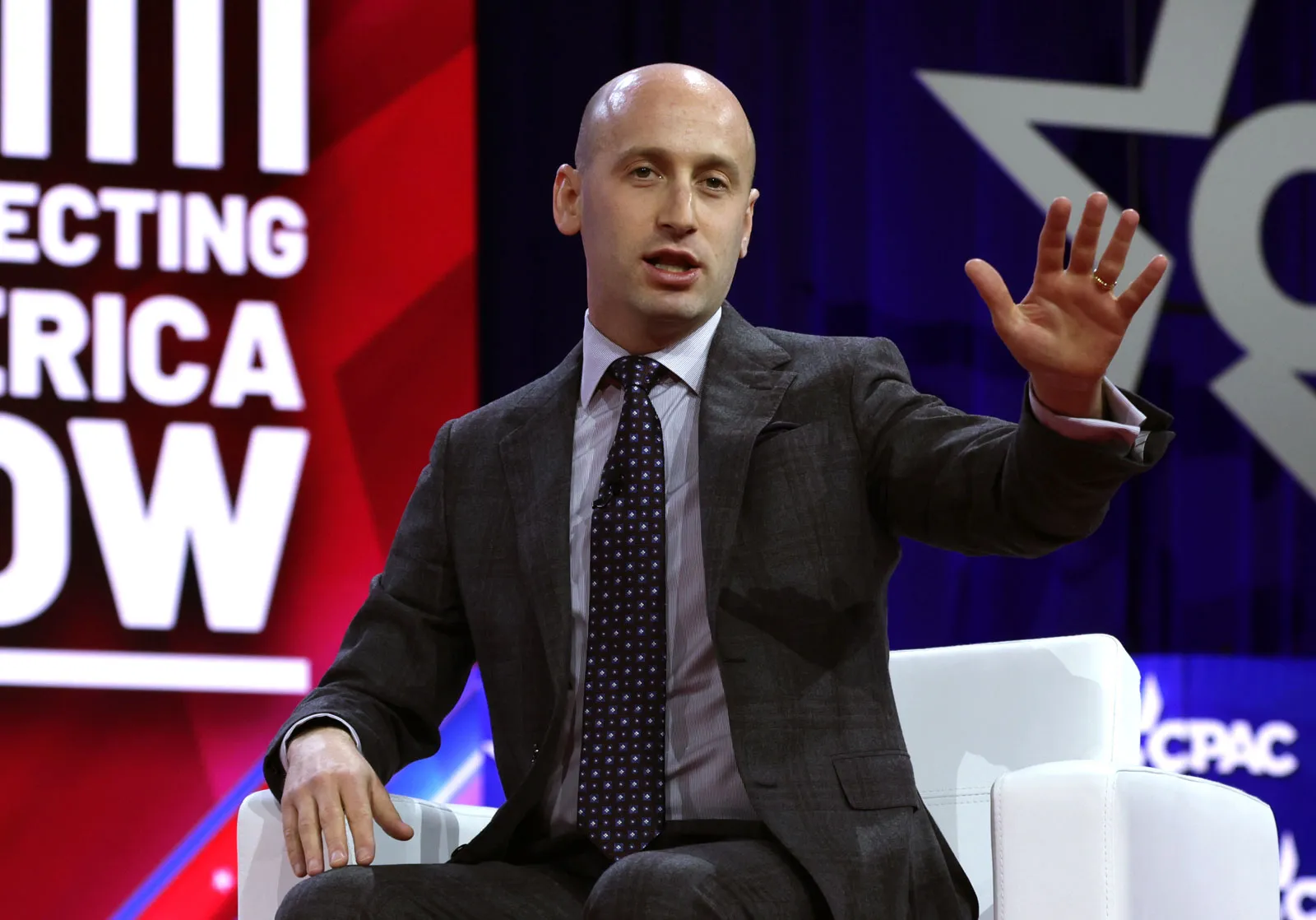
Stephen Miller, a prominent political figure and adviser, has been a significant voice in shaping U.S. immigration policy and political rhetoric in recent years. As a senior advisor to former President Donald Trump, his influence has sparked both support and criticism, making him a key player in contemporary American politics. Understanding his background, actions, and policies is crucial for anyone interested in the current political landscape.
Background and Rise to Prominence
Miller was born in Santa Monica, California, and graduated from Duke University. He entered politics as a communications director for a Republican congressman before joining the Trump campaign in 2016. His rhetoric and hardline stance on immigration issues resonated with the Trump base, leading to his appointment as a senior advisor in the White House. Throughout his tenure, he focused on various policies aimed at reducing immigration and reinforcing border security.
Impact on Immigration Policy
One of Miller’s most notable contributions was his role in the implementation of the ‘zero tolerance’ policy, which led to the controversial family separations at the U.S.-Mexico border. He was also a driving force behind the travel ban affecting several predominantly Muslim countries and the push to end the DACA program, which protects undocumented immigrants brought to the U.S. as children. Miller’s policies and public statements often prioritized national security and the preservation of American culture, leading to intense debate and opposition from immigration advocates.
Recent Developments
After the Trump administration ended in January 2021, Miller continued to be active in political circles, founding the America First Legal Foundation to challenge the Biden administration’s immigration policies. His activities reflect an ongoing commitment to the same hardline views on immigration that characterized his time in the White House. As the political landscape shifts, Miller’s strategies will likely continue to impact Republican strategies for the upcoming elections.
Conclusion
Stephen Miller remains a polarizing figure in American politics, representing a faction of the Republican Party that embraces strict immigration control. As debates over U.S. immigration policy persist, his influence could shape future policies and political campaigns significantly. For voters and political analysts, understanding Miller’s strategies and impact is essential for navigating the complexities of modern American governance.