Importance of the Insurrection Act
The Insurrection Act is a significant piece of legislation that empowers the President to deploy federal troops in situations of civil unrest. Its relevance has surged recently as states face challenges in maintaining law and order amid heightened social tensions. Minnesota’s experience with unrest following the George Floyd incident in 2020 has brought attention back to this historical law.
Events Leading to Discussion of Insurrection Act
In 2020, Minnesota faced unprecedented protests and civil unrest, which stemmed from the murder of George Floyd by a Minneapolis police officer. The protests, initially peaceful, escalated into riots, prompting discussions on how to effectively respond. As public safety remained a paramount concern, some officials called upon the federal government for assistance, evoking the Insurrection Act.
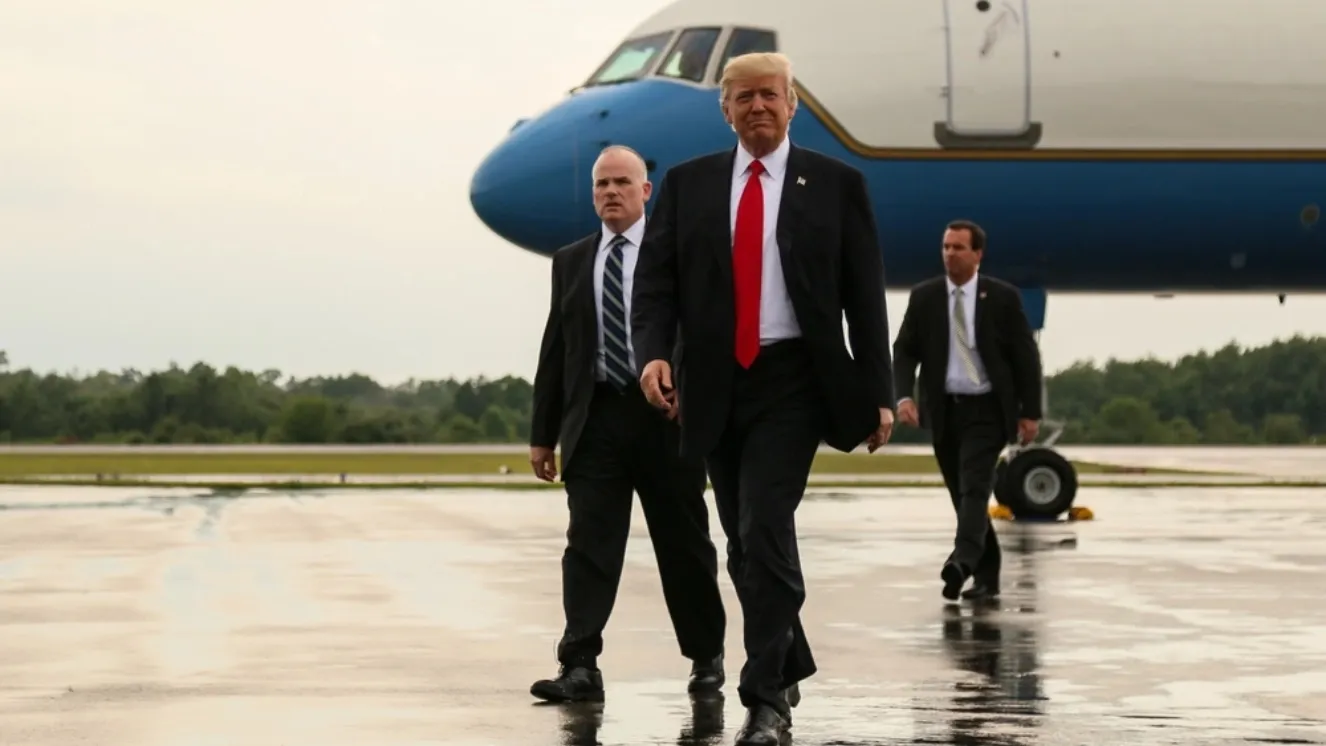
President Trump suggested he might invoke the Act, aiming to quell unrest and restore order. While he did not ultimately activate the Act in Minnesota, the discussions sparked national debate about its implications for state sovereignty and civil rights. The event marked a pivotal moment in Minnesota’s recent history, highlighting the tensions between state action and federal intervention.
Recent Developments and Legislation
In the wake of the social justice movements, Minnesota lawmakers have sought to introduce reforms aimed at addressing systemic inequality and police accountability. While the Insurrection Act remains a tool for emergency use, local leaders are focusing on legislation that enhances community safety without resorting to federal forces.
In late 2023, discussions resurfaced about the Act amidst new protests regarding various social issues, including housing and racial inequality. Minnesota Governor Tim Walz emphasized the need for dialogue and local solutions, expressing that the Insurrection Act should be a last resort rather than a primary response.
Conclusion and Outlook
The Insurrection Act’s mention in relation to Minnesota demonstrates the delicate balance between federal authority and state governance. Future discussions regarding the Act are likely to focus on its implications for civil liberties, community trust, and the role of state leadership in addressing unrest. As the state continues to navigate these critical issues, community engagement and legislative reform will remain at the forefront, underscoring the need for a comprehensive approach to social justice in Minnesota.