Introduction
Kyle Rittenhouse has become a prominent figure in discussions surrounding self-defense laws, gun rights, and the socio-political climate in the United States. His case has ignited debates across the nation, reflecting deep divisions regarding issues of race, justice, and the Second Amendment. The events surrounding Rittenhouse’s actions on August 25, 2020, during protests in Kenosha, Wisconsin, have stirred significant public and legal scrutiny.
Background of the Incident
On the night of August 25, 2020, Kyle Rittenhouse, then 17 years old, traveled from his home in Antioch, Illinois, to Kenosha. He armed himself with an AR-15-style rifle, allegedly to protect businesses amid protests against the police shooting of Jacob Blake, a Black man. During the protests, Rittenhouse shot three individuals, two of whom died. Rittenhouse claimed he acted in self-defense, a claim that would later serve as the basis for his legal defense.
The Trial and Verdict
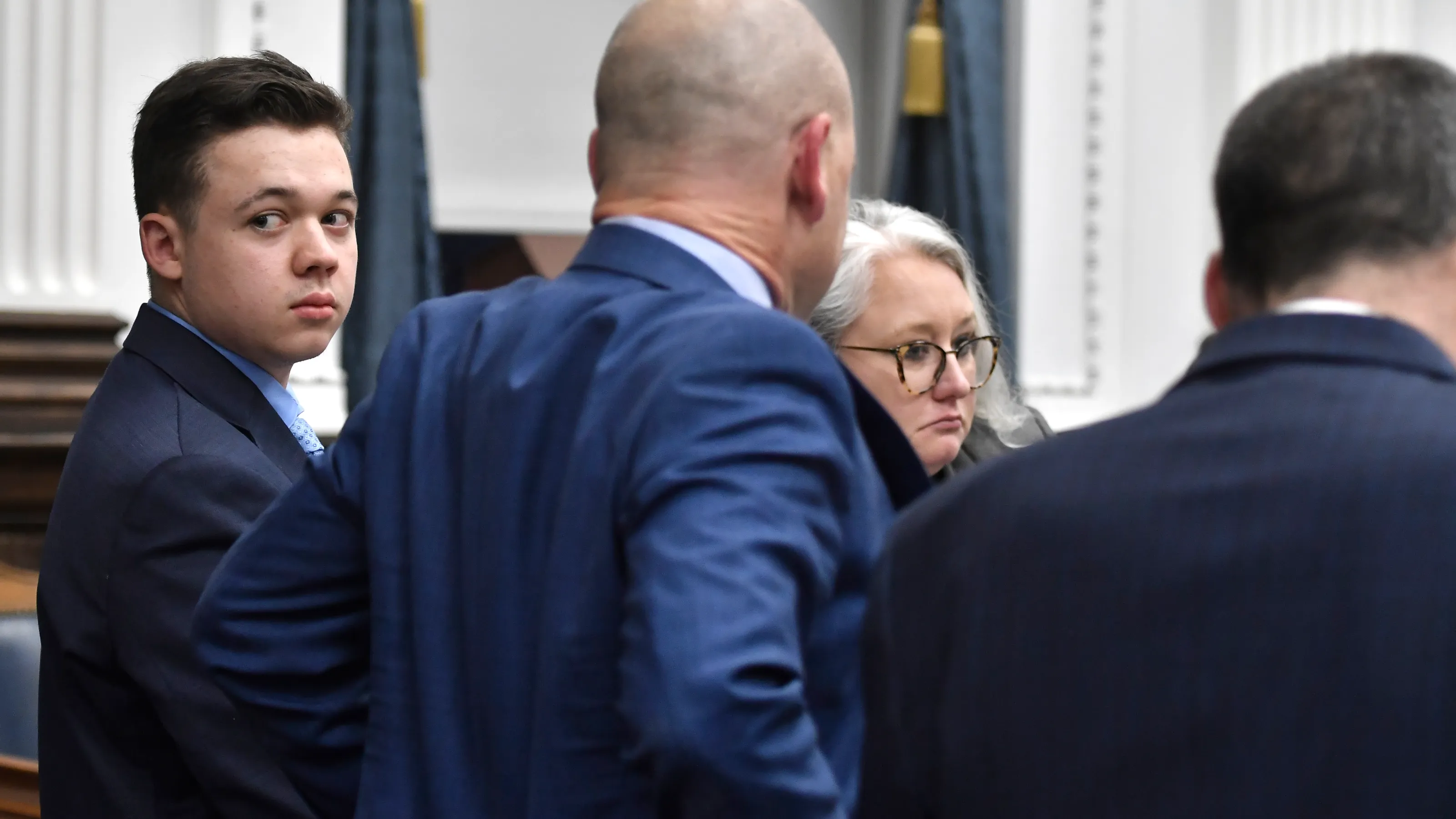
Rittenhouse’s trial began in November 2021 and drew widespread media attention. The prosecution argued that Rittenhouse was the aggressor, while the defense maintained that he acted to protect himself from being attacked. After several contentious days of testimony and debate, Rittenhouse was acquitted on all charges on November 19, 2021. The verdict led to a mix of relief and outrage across the country, highlighting contrasting views on self-defense and gun ownership laws.
Reactions and Ongoing Debate
The outcome of Rittenhouse’s trial sparked significant reactions from various groups, with some celebrating it as a victory for self-defense rights and others condemning it as a setback for social justice and accountability. Activists on both sides of the issue have continued to voice their perspectives, and Rittenhouse has since become a symbol in the national debate over gun laws and vigilantism.
Conclusion
Kyle Rittenhouse’s case epitomizes the complexities of current social and legal issues surrounding self-defense, gun rights, and race in America. As discussions continue, many foresee potential shifts in legislation related to self-defense claims and gun control as legislators and advocates respond to the public’s increasing scrutiny. The lasting implications of this case will likely echo in the legal landscape, shaping future courtroom arguments and public perceptions of justice in the U.S.