Introduction
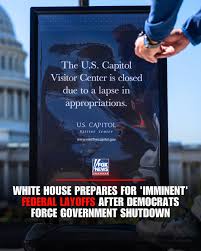
As the U.S. government navigates complex financial landscapes, the term ‘lapse in appropriations’ has surfaced in discussions regarding fiscal policy and federal operations. This occurrence signifies a halt in the funding of government activities due to absent or expired appropriation bills. Given its significance, understanding the implications of a lapse in appropriations is crucial for citizens and policymakers alike.
What Is a Lapse in Appropriations?
A lapse in appropriations occurs when Congress fails to pass new budget legislation or continues resolutions to authorize spending. Consequently, federal agencies must cease discretionary functions that depend on annual appropriations. Essential services, such as national parks, museums, and certain government programs, face temporary shutdowns, impacting the economy and citizens directly.
Recent Events
In recent weeks, the possibility of a lapse in appropriations became increasingly apparent as Congress approached its budget deadlines. As of October 2023, negotiations remain stalled with significant divisions between political parties on budget priorities. The House of Representatives and the Senate have so far struggled to find common ground in areas such as defense spending and domestic programs, leading to heightened concerns over a potential government shutdown.
The implications of such a shutdown can be far-reaching. During the last significant lapse in appropriations in late 2018 to early 2019, approximately 800,000 federal employees were furloughed, disrupting services and leaving many family budgets strained. Furthermore, national security could be jeopardized if critical defense operations are delayed.
Consequences for Economy and Government Services
Economically, a lapse in appropriations can lead to reduced consumer confidence and jeopardize small businesses and contractors who depend on government funding. Studies have shown that prolonged lapses can lead to a decrease in GDP, and as federal workers face delayed paychecks, local economies also suffer.
On a broader scale, essential, non-discretionary functions such as the administration of Social Security and Medicare are protected from funding lapses, but programs reliant on annual appropriations could see disruptions, leading to service delays and public frustrations.
Conclusion
As America approaches another fiscal deadline, the specter of a lapse in appropriations looms ominously. The stakes are high as federal agencies prepare for potential disruptions, and citizens are encouraged to stay informed about budget negotiations raised in congress. Ultimately, the implications of such lapses extend beyond governmental functions, affecting the daily lives of Americans and the overall health of the economy. With looming deadlines, it remains critical for Congress to reach an agreement to avert a lapse in appropriations, ensuring stability and continuity for federal operations and services.