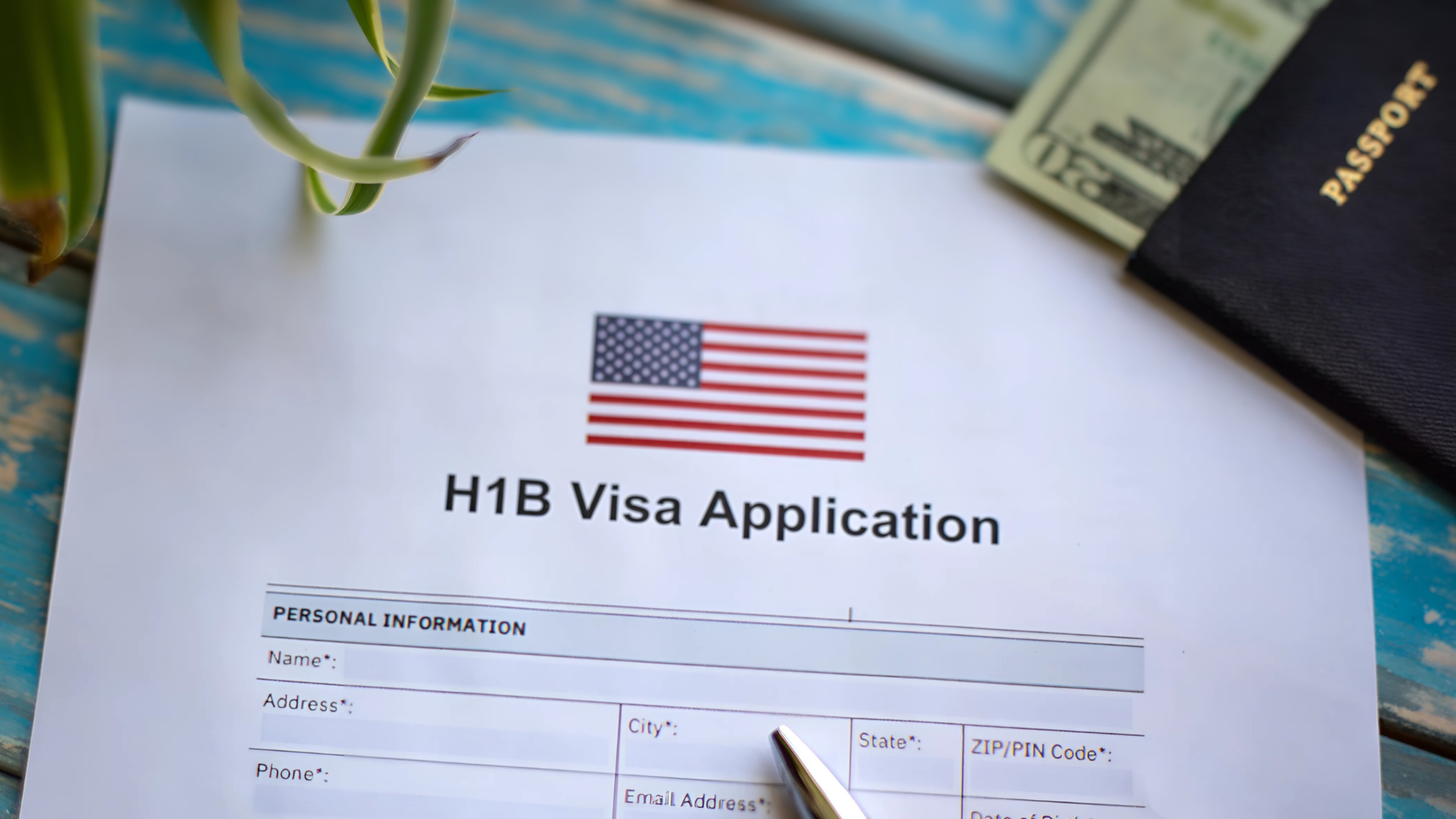
Introduction: The Significance of the H1B Visa Bill
The H1B visa program is a critical aspect of the United States’ immigration system, allowing U.S. companies to employ foreign workers in specialty occupations. The ongoing discussions and proposed changes to the H1B visa bill are essential not only for foreign professionals looking to work in the U.S. but also for businesses reliant on global talent. As the U.S. economy continues to evolve and faces skills shortages in certain sectors, updates regarding this bill bear significant importance.
Recent Developments in the H1B Visa Bill
In the latest session of Congress, lawmakers have introduced a comprehensive H1B visa reform bill aimed at addressing several longstanding issues associated with the program. The proposed legislation seeks to streamline the H1B application process, increase the cap on visas issued annually, and implement measures to protect both foreign workers and American jobs.
One of the most notable changes included in the bill is the suggestion to raise the annual cap from the current limit of 85,000 visas to 130,000. This adjustment is aimed at addressing the increasing demand for skilled labor, particularly in the tech industry, where companies frequently report difficulty in filling key positions. Additionally, the bill proposes an amendment to prioritize applicants holding advanced degrees from U.S. institutions, providing them with better chances of securing a visa.
Another significant aspect of the reform aims to enhance job security for H1B visa holders. Provisions to establish stricter guidelines for employers who wish to hire H1B workers are also present, aiming to prevent the replacement of American employees with foreign talent and promote fair compensation for all workers.
Conclusion: Implications for the Future
As discussions surrounding the H1B visa bill continue, its potential approval could lead to monumental changes in the landscape of employment and immigration in the U.S. If passed, the reforms could facilitate a more diverse workforce that can cater to the needs of an increasingly global economy, while simultaneously addressing concerns about job displacement for American workers.
For foreign workers, these changes could open doors to new opportunities, allowing them to contribute to the U.S. economy in significant ways. Stakeholders in both the private and public sectors are keenly watching these developments, as they could forecast a more inclusive and robust immigration policy that strengthens the American workforce amid global competition.