Introduction
The latest jobs report released by the Bureau of Labor Statistics (BLS) sheds light on the current state of the U.S. job market. As the economy continues to recover from disruptions caused by the COVID-19 pandemic, understanding employment trends is crucial for policymakers, businesses, and job seekers. The jobs report not only provides insights into hiring patterns but also reflects broader economic health and consumer confidence.
Key Findings from the Report
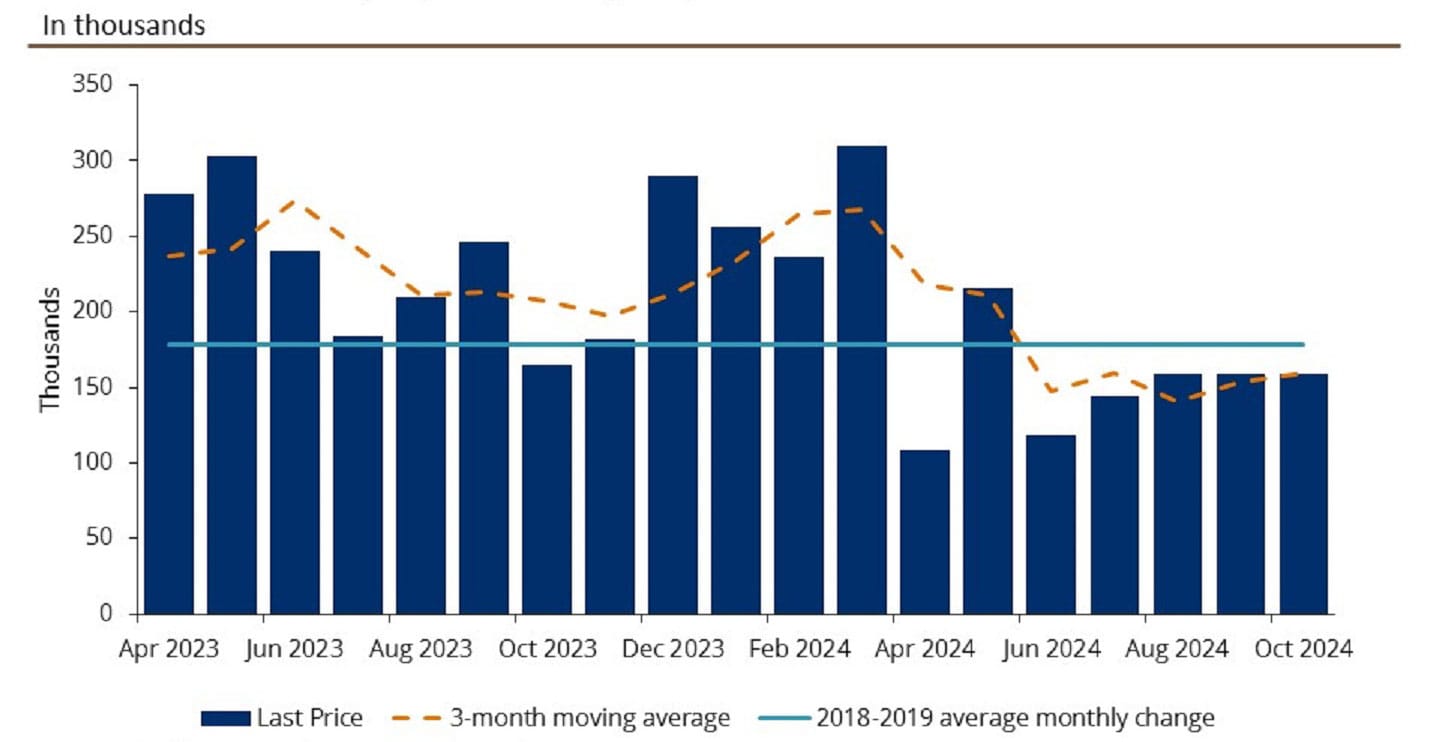
The most recent report, published on October 6, 2023, reveals that the U.S. economy added a robust 336,000 jobs in September, significantly surpassing economists’ expectations of 250,000 jobs. The unemployment rate remained stable at 3.8%, indicating a tight labor market despite economic uncertainties.
Notably, sectors such as healthcare, education, and hospitality witnessed substantial job growth, whereas manufacturing showed signs of plateauing. The leisure and hospitality industry alone accounted for over 90,000 new jobs, highlighting a continued rebound as consumer demand for travel and dining experiences grows.
Wage Growth and Inflation Impact
Wage growth is another critical aspect of the jobs report. Average hourly earnings rose by 0.4% in September, bringing the year-over-year increase to 4.2%. While this growth is encouraging for workers, it also raises concerns about inflationary pressures. The Federal Reserve is closely monitoring wage trends as they formulate monetary policy aimed at combating inflation.
Conclusion
The latest jobs report is a positive indicator of economic recovery, showcasing strong job creation and necessary wage growth. However, it also signals potential challenges ahead, particularly regarding inflation and the Federal Reserve’s subsequent actions. As the job market evolves, both employers and employees should stay informed to navigate these changes effectively. Given the current trends, experts forecast continued job growth, albeit at a more moderated pace as the economy stabilizes in the coming months.