Introduction
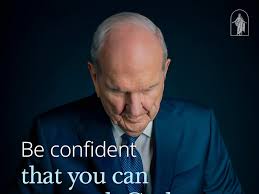
Since his inauguration, President Russell M. Nelson of The Church of Jesus Christ of Latter-day Saints has become a prominent figure in religious and public discourse. His leadership is marked by a clear vision and a profound commitment to global outreach, making it essential to understand his impact in both spiritual and societal contexts.
A Vision for the Future
President Nelson, who became the 17th president of the LDS Church in January 2018, has focused on creating a more inclusive and service-oriented church. He has emphasized the significance of coming together as a community, promoting principles of kindness and cooperation amidst a world that is often polarized.
One of his crucial initiatives has been the strong encouragement towards personal revelation, urging church members to deepen their spiritual practices and to seek divine guidance in their lives. This approach resonates in an era where many are searching for personal connection and meaning.
Global Outreach and Humanitarian Efforts
Under President Nelson’s leadership, the church has expanded its humanitarian efforts significantly. In recent years, the church has coordinated relief efforts in response to natural disasters, provided aid to refugees, and addressed issues related to health and education across the globe. His global outreach has fostered collaborative efforts with various organizations, reinforcing the role of the church as a proactive community leader.
For instance, in 2020, during the COVID-19 pandemic, the church committed millions towards providing relief, including medical supplies and food for those in need, illustrating a commitment to service that transcends national and cultural boundaries.
Conclusion
President Nelson’s leadership style, characterized by compassion and a forward-thinking approach, is influencing not just members of the church but also the broader community. His focus on service, personal revelation, and positive community interaction is creating an encouraging wave of change. As he continues to address contemporary issues with empathy and insight, the significance of his leadership will likely grow, positioning him as a pivotal figure in religious circles and beyond. The future under his guidance presents numerous opportunities for dialogue, cooperation, and positive action, making his presidency an important topic for those interested in contemporary faith and leadership.