Introduction
Jerry Brown, who served four terms as governor of California, has significantly impacted the state and national politics. As a prominent figure in American politics, his extensive career represents a unique blend of progressive policies and political pragmatism. Understanding his legacy is essential for those looking to comprehend the evolving landscape of California’s governance and its potential future trajectories.
Political Career Overview
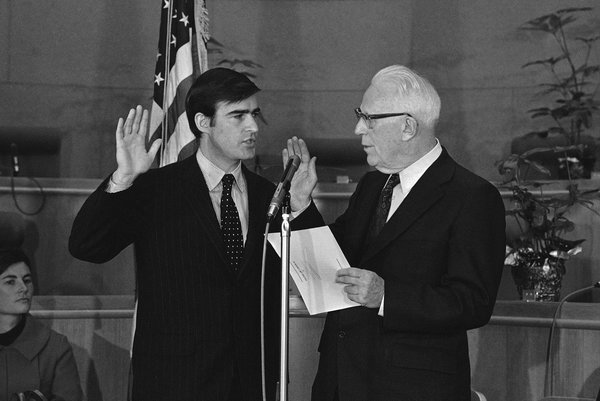
Brown first assumed office as governor in 1975 at the age of 36. Over his two terms in the 1970s and 1980s, he earned the nickname “Governor Moonbeam” for his unconventional ideas, such as advocating for solar energy and environmental protections. After stepping down, he had a varied career, including a stint as the mayor of Oakland and serving as the state attorney general.
In 2011, Brown made a remarkable political comeback when he was elected governor again. During his second tenure, which lasted until 2019, Brown addressed significant challenges, including California’s budget deficit, climate change, and immigration. His administration prioritized fiscal responsibility and sustainability, boosting the state’s economy while implementing progressive reforms.
Key Achievements
One of Brown’s most notable accomplishments during his second governorship was the successful passage of Proposition 30 in 2012, which temporarily increased taxes to fund education and public services amid a financial crisis. This decision was crucial in stabilizing the state’s economy, which had faced years of deficits.
Furthermore, Brown championed ambitious climate policies, contributing to California’s identity as a leader in environmental issues. Under his guidance, the state enacted significant regulations to reduce greenhouse gas emissions, setting ambitious targets for renewable energy usage. His contributions to climate policy earned California recognition as a pioneer in global environmental efforts.
Conclusion
Jerry Brown’s influence on California politics is undeniable. Whether through his innovative approaches to governance, environmental advocacy, or fiscal management, he has left a lasting impression. As the state continues to navigate complex issues, such as housing and climate policies, the foundations laid by Brown remain relevant. His legacy serves as a reminder of the importance of progressive leadership in shaping California’s future. As political climates shift across the country, followers of Brown’s career are left to consider how his principles might inform the next generation of leaders.