Introduction: Importance of Government Shutdowns
The recent discussions surrounding the longest government shutdown in U.S. history have sparked significant concern among citizens and policymakers alike. The shutdowns highlight the ongoing struggle between political factions in Congress and can have severe consequences on various sectors, including the economy, federal services, and public morale. Understanding these shutdowns is crucial for grasping the current political landscape and preparing for future government operations.
The Longest Shutdown: A Historical Overview
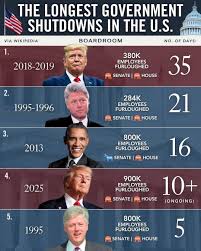
The longest government shutdown in U.S. history took place from December 22, 2018, to January 25, 2019, lasting a total of 35 days. This shutdown was primarily due to a dispute over funding for President Trump’s proposed border wall, which became a symbol of broader immigration debates. As a result, approximately 800,000 federal employees were either furloughed or required to work without pay, significantly impacting the lives of many American families.
Consequences of the Shutdown
The repercussions of this historic shutdown were far-reaching. Daily operations of various federal agencies, including the National Parks and the IRS, were halted or severely limited, leading to frustration among citizens who rely on these services. The economic impact was estimated at $11 billion, with $3 billion lost permanently due to the disruption. Many contractors and small businesses that depended on government contracts also faced financial hardships, illustrating the extensive ripple effects of political gridlock.
Political Reactions and Public Sentiment
The political reactions to the shutdown were mixed. While some Republican lawmakers supported the President’s stance on border security, many Democrats condemned the situation as harmful and unnecessary. Public sentiment also shifted during the shutdown, with a poll indicating that nearly 60% of Americans disapproved of how Trump handled the situation, which contributed to a decrease in his approval ratings.
Future Implications
As the government nears the end of fiscal deadlines, concerns over the potential for future shutdowns linger. Experts warn that recurring shutdowns could become a common occurrence due to ongoing partisan divisions in Congress. Policymakers need to address these conflicts to prevent the country from facing similar crises and the damage they inflict on both economy and governance.
Conclusion: The Significance of Understanding Shutdowns
Examining the longest government shutdown provides valuable lessons for Americans and their representatives in government. It highlights the importance of bipartisan cooperation to ensure the continuity of essential services. As discussions about government funding continue, being informed about the implications and historical precedents of government shutdowns can empower citizens to engage in the political process more effectively.