Introduction
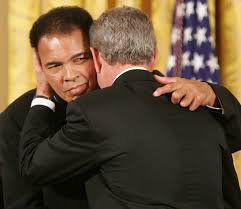
The Muhammad Ali Reform Act, enacted in 2000, served as a landmark piece of legislation that aimed to protect the rights and welfare of professional boxers in the United States. Named after the legendary boxer Muhammad Ali, who has had a notable impact on the sport both in and out of the ring, this act was a significant move towards reforming the boxing industry amidst concerns about fighter safety and financial exploitation. Understanding its importance is essential, especially as discussions about athlete welfare continue in various sports today.
Main Provisions of the Muhammad Ali Reform Act
The Muhammad Ali Reform Act introduced several key provisions, including:
- Protection from Exploitation: The act restricts promoters from withholding a fighter’s earnings and ensures that boxers have contracts that are fair and transparent.
- Medical and Safety Standards: It encouraged state athletic commissions to enforce stricter medical evaluations and standards to protect boxers from serious injuries, especially traumatic brain injuries.
- Disclosure of Financial Records: Promoters are mandated to disclose financial records related to a boxer’s earnings, allowing fighters to better understand their financial situations and ensure they are fairly compensated.
- Facilitating Title Unity: The act also aimed to eliminate the disparity caused by multiple sanctioning bodies and to promote greater unity among the sport’s governing organizations.
Impact on the Boxing Industry
Since its implementation, the Muhammad Ali Reform Act has led to significant changes in the boxing landscape. Fighters now have greater legal protection against abusive practices historically prevalent in the sport. Moreover, increased medical oversight has contributed to improved safety protocols, which has fostered a more secure environment for fighters. However, challenges remain. Despite the Act’s intentions, some critics argue that the boxing industry still suffers from a lack of uniformity and transparency, particularly with respect to financial disparities among fighters and the complex nature of promotional contracts.
Conclusions and Future Implications
As the conversation about athlete safety and rights evolves, the Muhammad Ali Reform Act continues to serve as a touchstone for necessary reforms in combat sports and beyond. The importance of monitoring its effectiveness and making further adjustments will be crucial for ensuring that athletes are protected and treated with dignity. Looking ahead, advocates are pushing for more stringent enforcement of the act’s provisions while also seeking broader reforms applicable to other professional sports, particularly regarding health and financial transparency. The legacy of Muhammad Ali as a fighter and a humanitarian thus continues to resonate deeply, inspiring ongoing efforts towards substantial reforms in the sports industry.