Introduction
The Pentagon Press Policy is a crucial framework governing interactions between the Department of Defense (DoD) and the media. As global security dynamics evolve, so too does the need for effective communication protocols that prioritize transparency while safeguarding national security. Understanding recent changes in the Pentagon Press Policy is vital for journalists, analysts, and citizens interested in military affairs.
Recent Changes in the Pentagon Press Policy
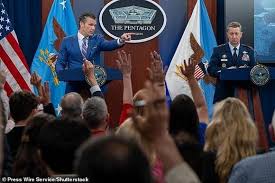
In the wake of the COVID-19 pandemic and growing technological advancements, the Pentagon has made notable modifications to its press policy. In 2023, the DoD introduced new guidelines that aim to facilitate more direct communication between military officials and journalists. This shift seeks to enhance accountability and provide the public with timely information on military activities, strategies, and events.
One significant change includes the adoption of virtual press briefings, which became a standard practice during the pandemic. These virtual formats allow journalists from across the globe to attend briefings without the necessity of physical presence, thus widening access and participation. Additionally, the Pentagon’s use of social media has been amplified, allowing for real-time updates and engagement with the media.
The Importance of Transparency
Transparency in military operations is paramount, especially as the DoD faces scrutiny regarding various military engagements worldwide. The revised press policy aims to strike a balance between providing the public with the information they deserve while also protecting sensitive intelligence data. Experts argue that effective communication can foster trust between the military and citizens, a sentiment echoed by military leaders who emphasize the importance of public understanding in democratic societies.
Challenges Ahead
Despite these advancements, challenges remain. Reporters often face hurdles when attempting to obtain information, particularly regarding classified operations or personnel matters. Issues of censorship and access to information under strict regulations still linger. As the Pentagon continues to refine its press policy, media representatives are advocating for clearer guidelines that encourage more open dialogue and reduce bureaucracy hindering journalistic inquiry.
Conclusion
The evolution of the Pentagon Press Policy highlights the complexities of military communication in a digital age. As transparency becomes increasingly crucial for effective governance, continued dialogue between the DoD and the media will play a significant role in enhancing public trust and understanding of military operations. Looking forward, the Pentagon’s ability to adapt its communication strategies will be key in addressing both security needs and public demand for information, shaping the future of military journalism.