Introduction
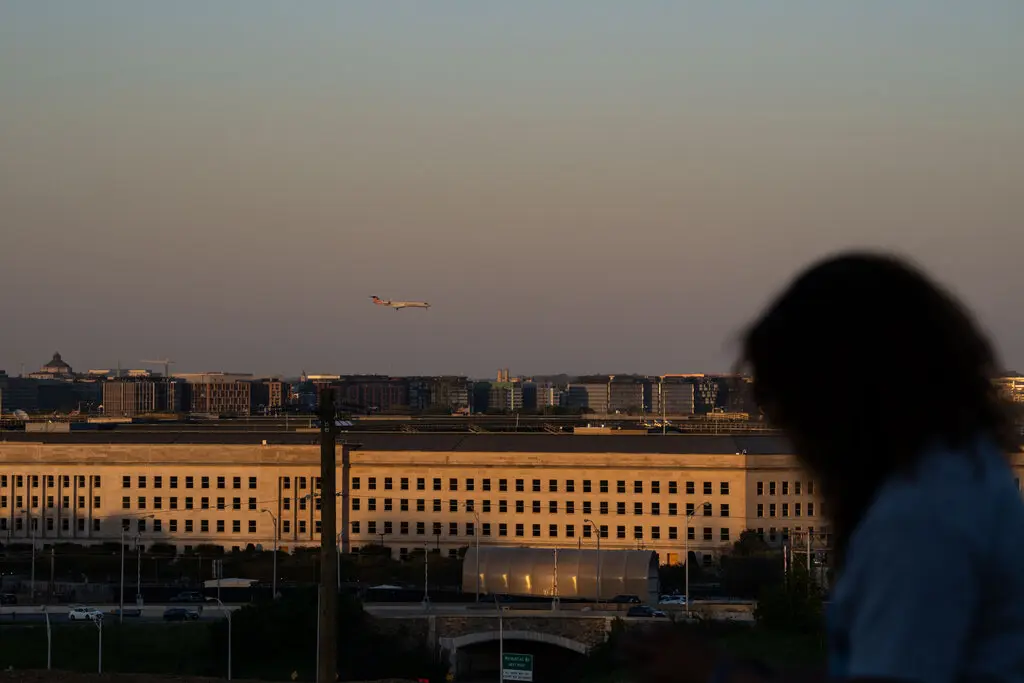
The topic of China’s rising influence and military capabilities has become a focal point for the United States, particularly within the Pentagon. As global dynamics shift, understanding the potential threats posed by China is crucial for national security. This issue has implications not only for military strategy but also for economic and diplomatic relations around the world.
Pentagon’s Assessment
In the latest assessment released by the Pentagon, China is characterized as the most comprehensive and serious challenge to U.S. national security. The report outlines China’s rapid military expansion, aggressive territorial claims in the South China Sea, and advancements in technology aimed at undermining U.S. influence. This year, the Department of Defense emphasized that China’s military spending is expected to surpass that of the U.S. and highlights the growing sophistication of its military capabilities including cyber warfare, advanced missile systems, and artificial intelligence.
Events Highlighting the Threat
Recent events have further underscored these concerns. The Pentagon reported a notable increase in aerial encounters between U.S. aircraft and Chinese jets in contested airspace, which raises the risk of military escalation. Moreover, China’s assertive stance on Taiwan has garnered attention as it reflects broader ambitions to reclaim territory perceived to be historically Chinese. Such developments have prompted increased U.S. military presence in the Indo-Pacific region as a countermeasure.
Implications for Policy
In light of these assessments, U.S. policymakers are reevaluating their defense strategies. The Biden administration is prioritizing partnerships with allies in the region, including Japan, Australia, and India, to ensure a united front against potential threats. Enhanced military exercises and negotiations over missile defense systems are part of the strategy to mitigate risks. Furthermore, the Pentagon is advocating for increased funding for technological advancements to maintain a strategic advantage over China.
Conclusion
As the Pentagon continues to identify China as a significant threat, the implications for U.S. defense, diplomacy, and global stability are profound. The emphasis on strategy and collaboration with international partners reflects an understanding that addressing the China threat requires a multifaceted approach. Moving forward, it will be essential for both military and civilian sectors to adapt to this evolving landscape, ultimately shaping the future of U.S.-China relations and global security dynamics.