Introduction
The polar vortex is an important meteorological phenomenon that can significantly influence weather patterns, especially during winter months in the Northern Hemisphere. As extreme weather events become increasingly common, understanding the polar vortex’s role has gained the attention of climatologists and weather enthusiasts alike. With recent forecasts indicating a heightened risk of unusual winter conditions, the phenomenon’s implications have never been more relevant.
What is the Polar Vortex?
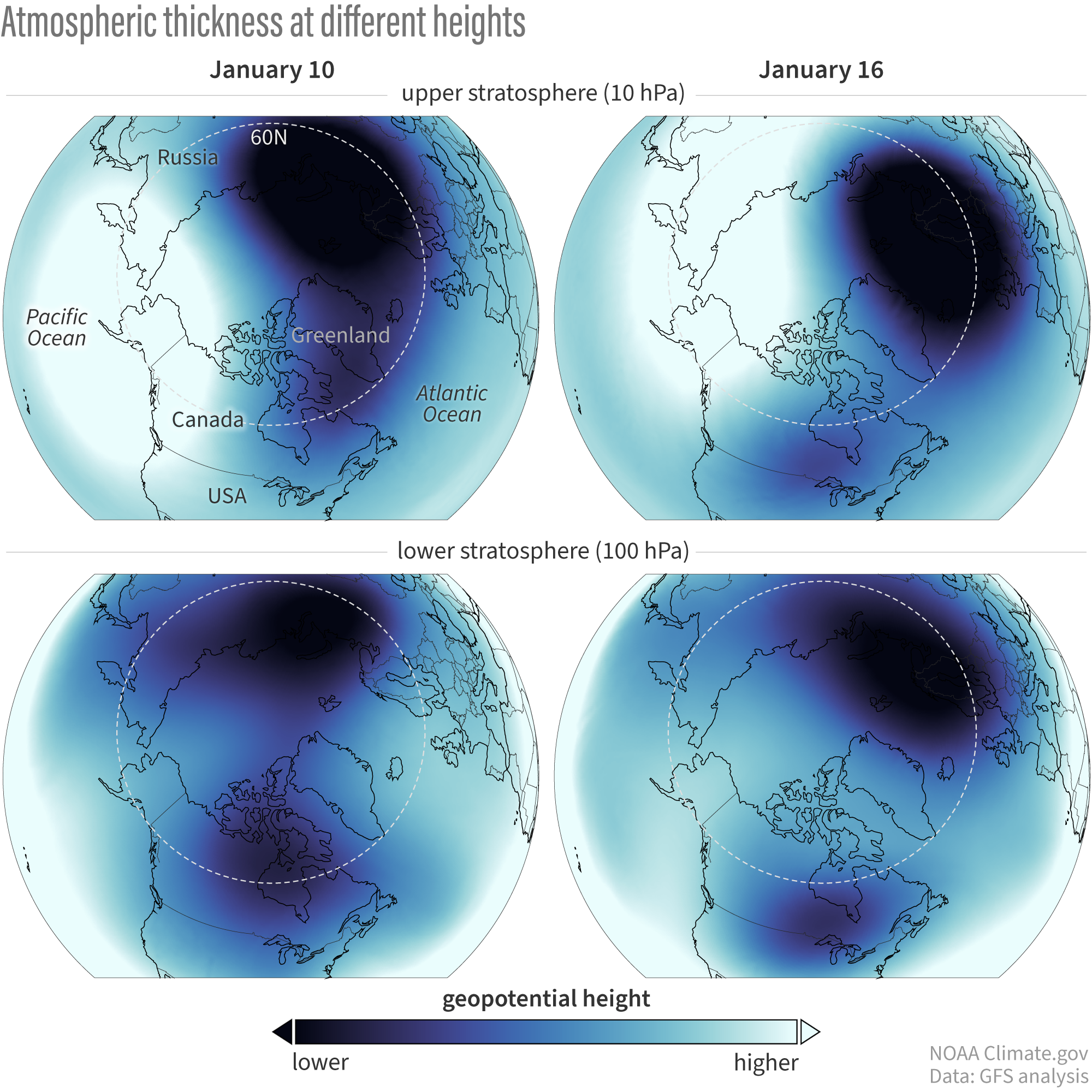
The polar vortex is a large area of low pressure and cold air surrounding the Earth’s poles. It develops during the winter months, when the polar stratospheric temperatures drop significantly, causing the air to become more stable and confined. Typically, this vortex sits close to the Arctic region, containing frigid air during winter. However, when the vortex weakens or splits, it can send cold air southward into the regions of North America and Europe, leading to extreme cold snaps.
Recent Developments
In early November 2023, meteorologists observed signs of a weakened polar vortex, which could potentially lead to significant cold waves across the United States as winter approaches. As temperatures drop, forecasts suggest that much of the Midwest and Northeast may experience severe winter conditions. National Weather Service meteorologist, Linda Grayson, notes that “this could trigger bouts of unpredictability in temperatures across the country.” A warming trend, linked to climate change, may also play a role in the polar vortex’s behavior, making the analysis of its patterns crucial for anticipating weather changes.
Historical Context
Historically, major distortions in the polar vortex have been associated with extreme weather events. The winter of 2013-2014 was particularly notable, with significant cold outbreaks affecting millions due to a weakened polar vortex, which contributed to record-low temperatures. As climate change continues to alter atmospheric dynamics, understanding the polar vortex becomes essential for both meteorologists and the public at large.
Conclusion
The polar vortex remains a critical factor in weather forecasting, especially as we enter the harsh winter months. With predictions suggesting potential disruptions due to a weakened vortex this season, viewers and residents should remain informed and prepared for possible severe weather. As scientists continue to study the polar vortex and its implications, the need for public awareness and readiness becomes crucial. Understanding this phenomenon helps us appreciate the complexities of our climate and the impact it has on our daily lives.