Introduction
The Proud Boys, a far-right group founded in 2016, have gained significant media attention in recent years due to their involvement in political protests, especially during the tumultuous events surrounding the U.S. Capitol riot on January 6, 2021. This group, which describes itself as a “men’s club” that promotes western chauvinism, has sparked debates over free speech, domestic extremism, and the boundaries of political activism. Understanding the dynamics and recent developments related to the Proud Boys is crucial as these discussions continue to shape social and political narratives in the United States.
Origins and Beliefs
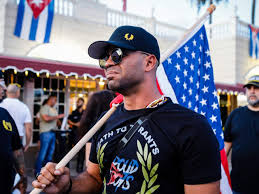
The Proud Boys were founded by Gavin McInnes, co-founder of Vice Media, who aimed to create a fraternity that emphasizes traditional masculinity and rejects political correctness. The group’s members, often identified by their distinctive black and yellow attire, espouse ideologies that align with white nationalism, anti-feminism, and opposition to LGBTQ+ rights. However, the group maintains that its primary focus is on promoting free speech and combating what they perceive as leftist ideologies.
Recent Events and Legal Issues
In the wake of the Capitol insurrection, the Proud Boys’ activities have come under intense scrutiny. Multiple members have faced legal repercussions for their roles in the riot, with charges ranging from conspiracy to obstruct an official proceeding to assaulting law enforcement officers. As of October 2023, several members are awaiting trial, and the group has seen a decline in influence, particularly within mainstream politics.
The group’s participation in violent confrontations during protests, most notably against Black Lives Matter demonstrations, has raised concerns about domestic terrorism and hate crimes. In an effort to combat such actions, various law enforcement agencies across the country have categorized the Proud Boys as a hate group, further elevating the urgency of dialogues around extremist groups in America.
Conclusion
As the Proud Boys navigate their legal challenges and the broader societal implications of their actions, the conversation surrounding this group remains vital for understanding the current landscape of extremism in the United States. Experts suggest that continued vigilance, public awareness, and community engagement are essential in combating the narratives propagated by groups like the Proud Boys. The significance of addressing the issues of hate and extremism cannot be overstated, particularly as society grapples with identity and values in a rapidly changing political environment.