Introduction
Earthquakes are a natural hazard that can have devastating effects on communities, especially in areas like California, which is known for its seismic activity. The recent earthquake in Berkeley has raised concerns among residents about preparedness and safety measures. Understanding the implications of such seismic events is crucial for ensuring the safety and resilience of local communities.
Recent Earthquake Events
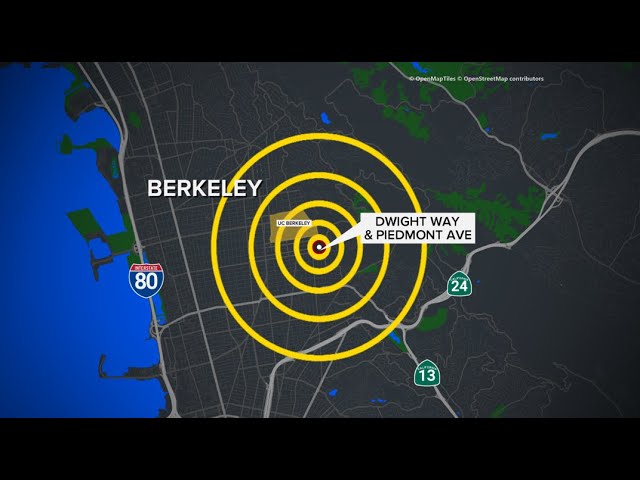
On October 15, 2023, Berkeley experienced a magnitude 4.1 earthquake that struck at 1:00 PM local time. The epicenter was located just northeast of the city, approximately three miles deep. This moderate quake was felt across the East Bay region, including cities like Oakland and San Francisco. Fortunately, there were no significant injuries reported, but the tremors served as a reminder of the persistent earthquake threat in California.
Impacts and Responses
Following the quake, local officials and emergency services quickly mobilized to assess any potential damage. The Berkeley Fire Department received a surge of calls from concerned residents, primarily related to minor property damage and fallen items. Fortunately, the city’s infrastructure remained intact, indicating that recent upgrades and preparedness measures may have played a role in minimizing the impact.
In response to the quake, the City of Berkeley activated its emergency protocols to ensure public safety and effective communication with residents. They also encouraged residents to review their earthquake preparedness plans and update emergency kits. The Community Emergency Response Team (CERT) offered workshops to educate citizens about proper safety measures to take during and after an earthquake.
The Importance of Preparedness
This event highlights the ongoing need for individuals and communities to prioritize earthquake preparedness. According to the United States Geological Survey (USGS), California averages more than 10,000 earthquakes per year, although the vast majority are small and go unnoticed. However, major earthquakes can occur with little warning, and the potential for significant damage remains.
Residents are encouraged to participate in local preparedness initiatives, such as household emergency plans and regular drills. The “Great California ShakeOut,” a statewide earthquake preparedness drill held annually, aims to educate citizens about the importance of safety measures and response during seismic activities.
Conclusion
As Berkeley continues to face the reality of living in an earthquake-prone region, the recent tremor serves as a critical wake-up call for residents. By actively engaging in preparedness efforts and staying informed about earthquake safety, individuals can help mitigate the risks associated with these natural disasters. With California’s seismic history, understanding the significance of these events is essential for fostering a safe and resilient community.