Introduction: The Importance of the Senate Government Shutdown
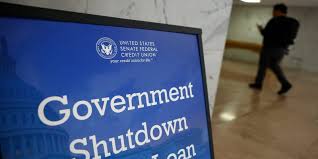
The potential for a government shutdown remains a pressing issue in U.S. politics, particularly as the Senate faces a budget impasse that could disrupt federal operations. A government shutdown occurs when Congress fails to pass required funding legislation, leading to a halt in non-essential government services. Understanding the current situation and its ramifications is vital for citizens who rely on federal programs and services, as well as for businesses affected by government contracts.
Current Events: Budget Negotiations in the Senate
As of October 2023, the Senate is embroiled in negotiations over a new federal budget, with contentious debates among lawmakers over funding priorities, especially regarding defense and social programs. The deadline for passing a budget is fast approaching, and the division primarily stems from disagreements between progressive Democrats advocating for expansive social spending and Republicans pushing for strict fiscal limits.
Recent reports indicate that without bipartisan support, the likelihood of a government shutdown is increasing. The last-minute wrangling includes proposals that could either bring about a temporary continuing resolution (CR) or risk a full shutdown. Lawmakers are deliberating key issues such as funding for the Department of Defense and aid for medical care programs, essential to many U.S. citizens.
Consequences of a Government Shutdown
The effects of a government shutdown are far-reaching. Federal employees could be furloughed, leading to economic turmoil for many and a backlog of services. National parks and federal agencies may close, disrupting tourism and access to critical services. Federal loans, grants, and assistance programs may also be delayed, affecting communities that rely on these resources.
Additionally, if a shutdown occurs, it could disrupt economic markets and lead to increased uncertainty among consumers and investors. Economists have warned that prolonged shutdowns could potentially hinder economic growth and recovery efforts.
Conclusion: What Lies Ahead
As negotiations continue, it is crucial for citizens to remain informed about the potential for a government shutdown and its implications. The decisions made in the Senate will not only affect federal employees but also the American public at large, especially those dependent on government services. Observers predict that unless a compromise is reached, a government shutdown could disrupt many sectors of the economy and stall additional legislative initiatives. Hence, continued pressure on legislators from both political sides might be necessary to avoid the adverse effects of a shutdown.