Introduction
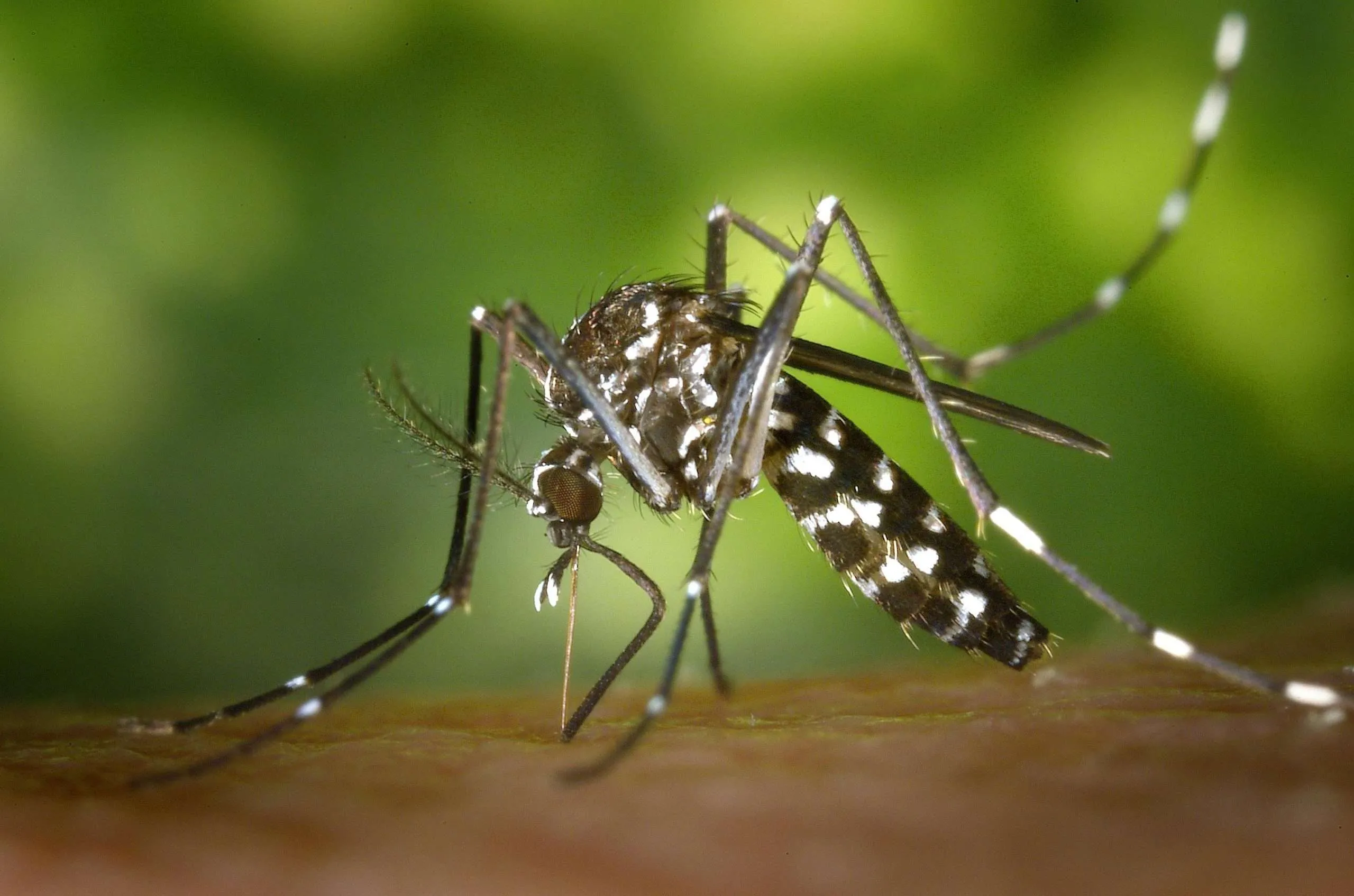
The recent outbreak of the chikungunya virus in Seychelles has raised significant public health concerns, particularly as it affects both local residents and tourists alike. Chikungunya, transmitted by infected mosquitoes, leads to debilitating joint pain and fever. With the Seychelles renowned as a tropical paradise and a popular travel destination, understanding the outbreak’s implications is essential for health and safety.
Current Situation
As of October 2023, health officials in Seychelles have confirmed over 200 cases of the chikungunya virus. The outbreak began in late September 2023, primarily affecting the main islands of Mahé and Praslin. The Seychelles Ministry of Health has been proactive in responding to the situation by launching awareness campaigns to educate the public about prevention methods, as well as providing updates on the status of the outbreak.
In addition to domestic implications, the outbreak poses a challenge for the tourism industry, which is vital to the Seychelles economy. Authorities have recommended that travelers take precautions, such as using mosquito repellent and wearing long-sleeve clothing, to reduce the risk of infection.
Health Measures and Response
The Seychelles government has enhanced its mosquito control efforts, including aerial spraying insecticides in affected areas and surveying island regions to identify breeding sites. The public is also encouraged to eliminate stagnant water around homes and public areas where mosquitoes are likely to breed.
Healthcare facilities are on high alert, with the ministry advising individuals exhibiting symptoms—like high fever and joint pain—to seek medical attention promptly. Additionally, vaccination against chikungunya is currently unavailable, making prevention through mosquito control and personal protection vital.
Conclusion
As the chikungunya virus outbreak continues, coordination between health authorities, local communities, and the tourism sector becomes crucial in managing and mitigating the effects of the outbreak. Experts forecast that, with effective preventative measures, the situation may stabilize; however, continued vigilance and public cooperation are essential for slowing down the transmission rate. For travelers and residents alike, staying informed and prepared is the best defense against this vector-borne illness.