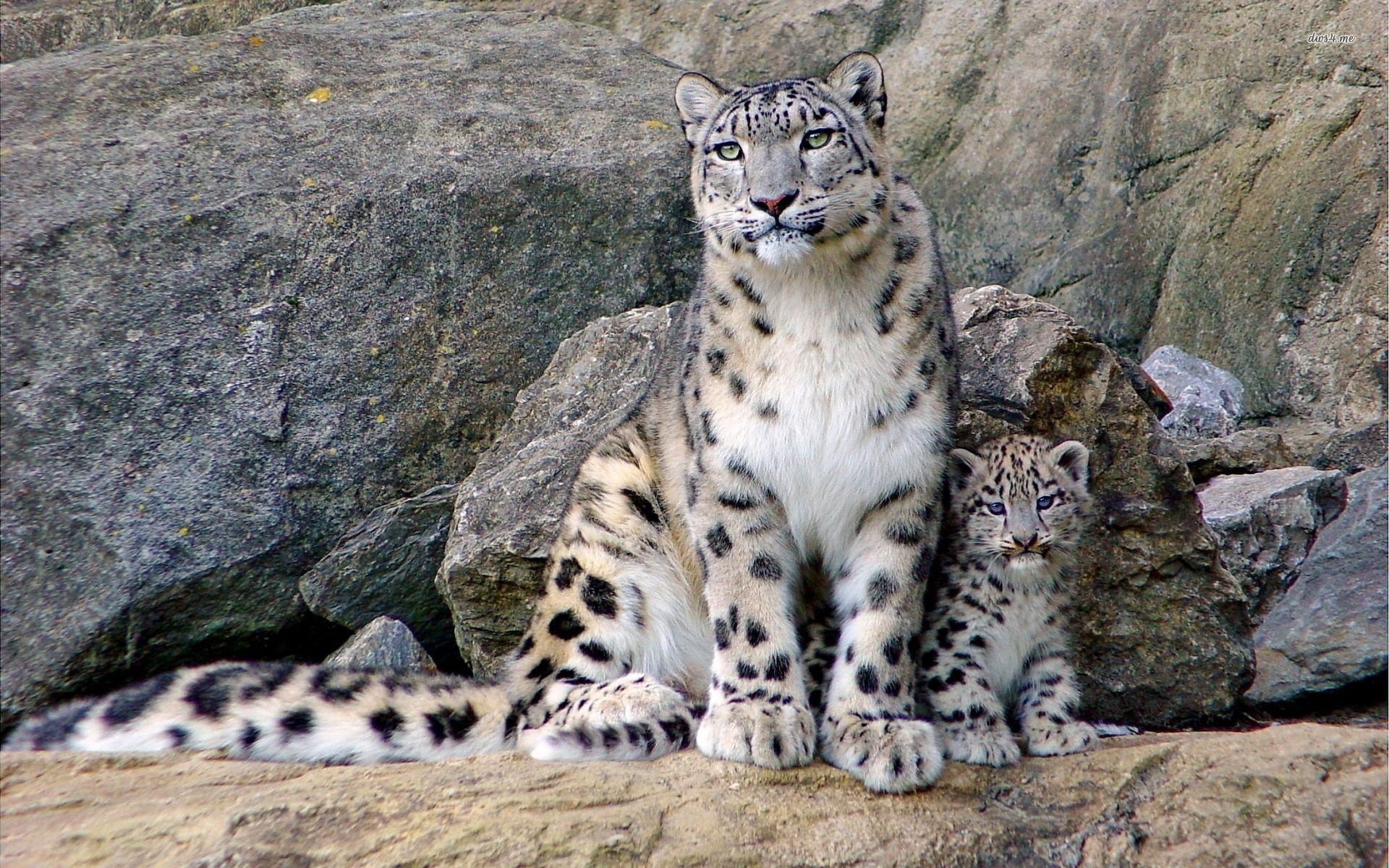
The Importance of Snow Leopards
Snow leopards (Panthera uncia), often referred to as the “ghosts of the mountain,” are a vital part of cold mountainous ecosystems across Central and South Asia. These elusive big cats, known for their striking appearance and unmatched agility in rocky terrains, play a crucial role in maintaining the ecological balance of their habitats. However, their population is currently threatened by various factors, making their conservation a pressing issue.
Current Status of Snow Leopard Population
According to the Snow Leopard Trust, it is estimated that only 4,000 to 6,500 snow leopards remain in the wild. The species has been classified as vulnerable by the International Union for Conservation of Nature (IUCN). Habitat loss, poaching, and retribution killing due to livestock predation are primary threats contributing to their decline. In addition, climate change is altering their habitat, further jeopardizing their future.
Conservation Efforts
In response to the alarming decline, various organizations and governments are stepping up conservation efforts. The Snow Leopard Network, a global initiative, brings together researchers, conservationists, and local communities to foster understanding and implement effective conservation strategies. Initiatives include community-based conservation programs that aim to reduce human-wildlife conflict and promote coexistence.
In 2013, the Global Snow Leopard & Ecosystem Protection Program was launched to facilitate international cooperation to preserve snow leopards and their ecosystems. This initiative highlights the importance of local involvement, engaging communities in protecting their wildlife while providing economic incentives through sustainable practices such as eco-tourism.
A Call to Action
For readers interested in contributing to snow leopard conservation, there are several avenues for involvement. Supporting organizations dedicated to wildlife protection, advocating for effective wildlife policies, and promoting awareness through education can all help ensure the survival of these magnificent creatures. Each effort can contribute to a larger movement toward preserving biodiversity in our planet’s fragile ecosystems.
Conclusion
Snow leopards are not just symbols of wild beauty but essential components of the ecosystems they inhabit. Their conservation is critical, as it reflects the broader health of Himalayan and Central Asian environments. By supporting ongoing efforts and fostering awareness, we can help protect the future of snow leopards and ensure that these majestic animals continue to roam the mountains for generations to come.