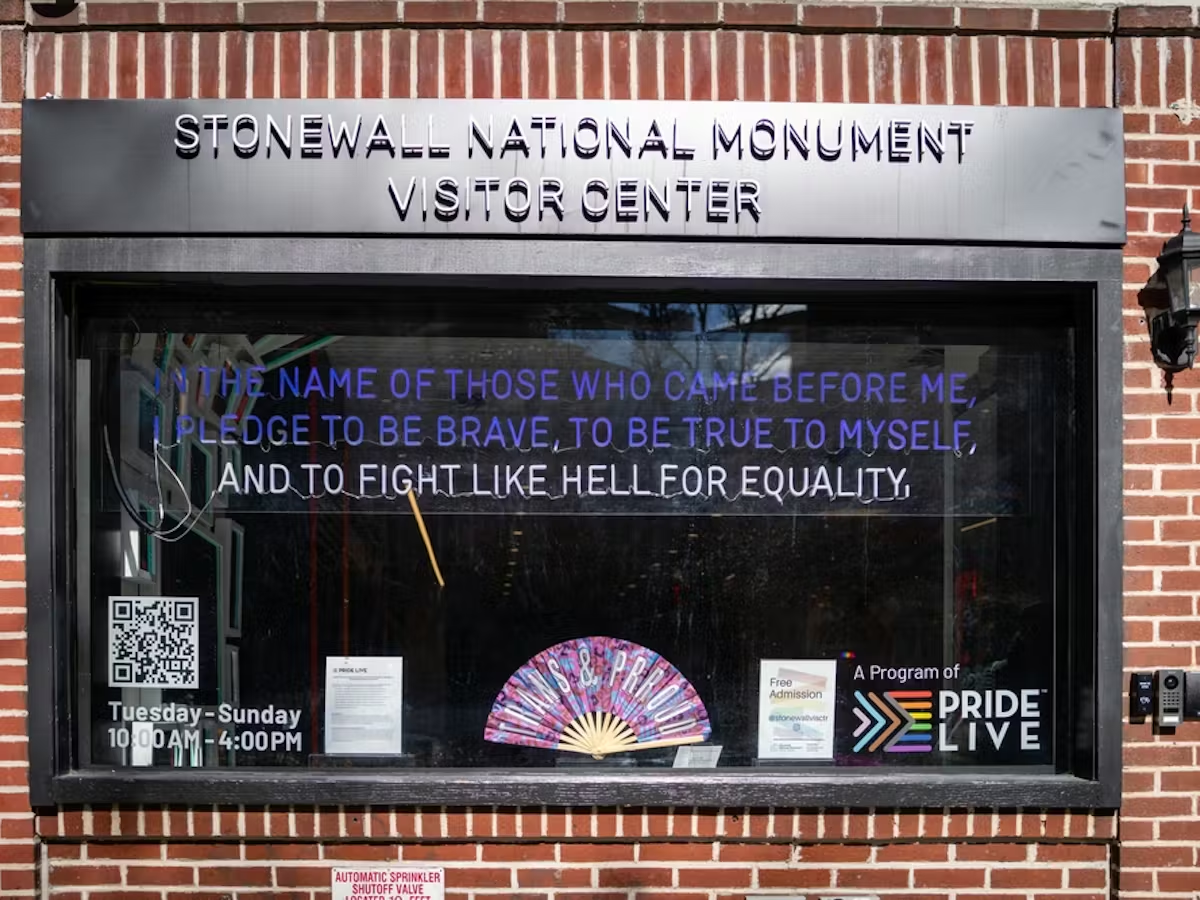
Introduction: The Significance of Stonewall
The Stonewall National Monument, established in 2016, stands as a landmark honoring the struggles and victories of the LGBTQ+ community in the United States. Located in Greenwich Village, New York City, it commemorates the Stonewall Riots of June 1969, which were pivotal in igniting the modern LGBTQ+ rights movement. The monument’s importance lies not only in its historical context but also in its role as a symbol of resilience and a space for reflection and activism.
The Events Leading to the Monument’s Establishment
The Stonewall Riots erupted after a police raid at the Stonewall Inn, a popular gay bar, and quickly escalated into several nights of protests against systemic oppression. The riots catalyzed a larger movement, leading to the formation of advocacy groups, the first pride parades, and ultimately the recognition of LGBTQ+ rights in various forms. Recognizing the site’s historical importance, President Obama designated it as the first national LGBTQ+ historic monument, solidifying its status as a cultural landmark.
Current Developments and Community Engagement
Since its establishment, the Stonewall National Monument has become a focal point for LGBTQ+ rights advocacy. The National Park Service hosts educational programs and events aimed at fostering understanding and acceptance. In 2023, the monument launched a series of new initiatives, including guided tours, discussions, and art installations that celebrate LGBTQ+ history and culture. Increased community engagement has also been seen, with local organizations using the site for rallies, weddings, and celebrations of pride.
Conclusion: The Ongoing Relevance of Stonewall
The Stonewall National Monument not only serves as a reminder of past struggles but also highlights the continuing fight for equality and justice for the LGBTQ+ community. As debates over LGBTQ+ rights continue in various states and the global landscape evolves, the monument remains a crucial symbol of hope and determination. For visitors and activists alike, Stonewall represents the ideals of freedom, acceptance, and the pursuit of social justice. Its legacy encourages both reflection on progress made and recognition of the work still necessary to ensure equality for all.