Introduction
Air quality significantly impacts public health and the environment. A decline in air quality can lead to respiratory problems, cardiovascular diseases, and even reduced life expectancy. Understanding why the air quality is bad today is crucial for individuals, especially for those with pre-existing health conditions. This article will explore the latest data on air pollution and its implications.
Current Air Quality Issues
As of today, many regions across the United States are facing alarming levels of air pollution. According to the Environmental Protection Agency (EPA) monitoring, cities such as Los Angeles, New York, and Chicago have reported elevated levels of particulate matter (PM2.5) and ozone, marking the air quality as ‘unhealthy’ for sensitive groups. Weather conditions, seasonal changes, and increased urban activities contribute to this issue.
Key Contributing Factors
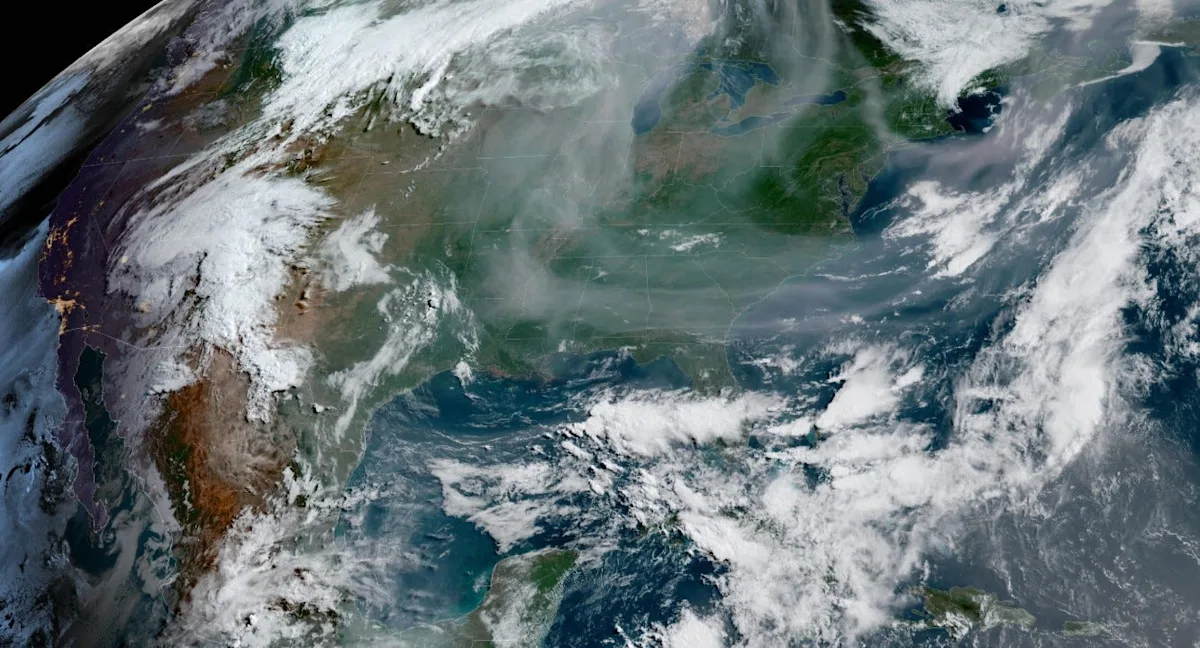
- Wildfires: Recent wildfires in the western states have drastically increased smoke pollution, leading to a rise in PM2.5 levels in surrounding areas.
- Industrial Emissions: Factories and power plants emit significant pollutants, which can worsen air quality, especially on days with low wind conditions.
- Traffic Emissions: Heavy traffic contributes to increased levels of nitrogen oxides and volatile organic compounds, both of which are harmful pollutants.
- Weather Conditions: Stagnant air masses trap pollutants near the surface, leading to higher concentrations of harmful substances.
Health Implications
Short-term exposure to poor air quality can cause health issues like throat irritation, coughing, and shortness of breath. For individuals with asthma, allergies, or chronic respiratory diseases, the risks are even higher. The Centers for Disease Control and Prevention (CDC) advises those in affected areas to limit outdoor activities and take precautions.
Conclusion
The deterioration of air quality today can be attributed to various factors, including natural disasters, industrial activities, and meteorological conditions. As urban development continues and climate change exacerbates these issues, it is essential for communities to stay informed and take proactive measures to protect their health. Awareness campaigns and policy changes are crucial in combating air pollution and promoting a healthier future for all.