Introduction
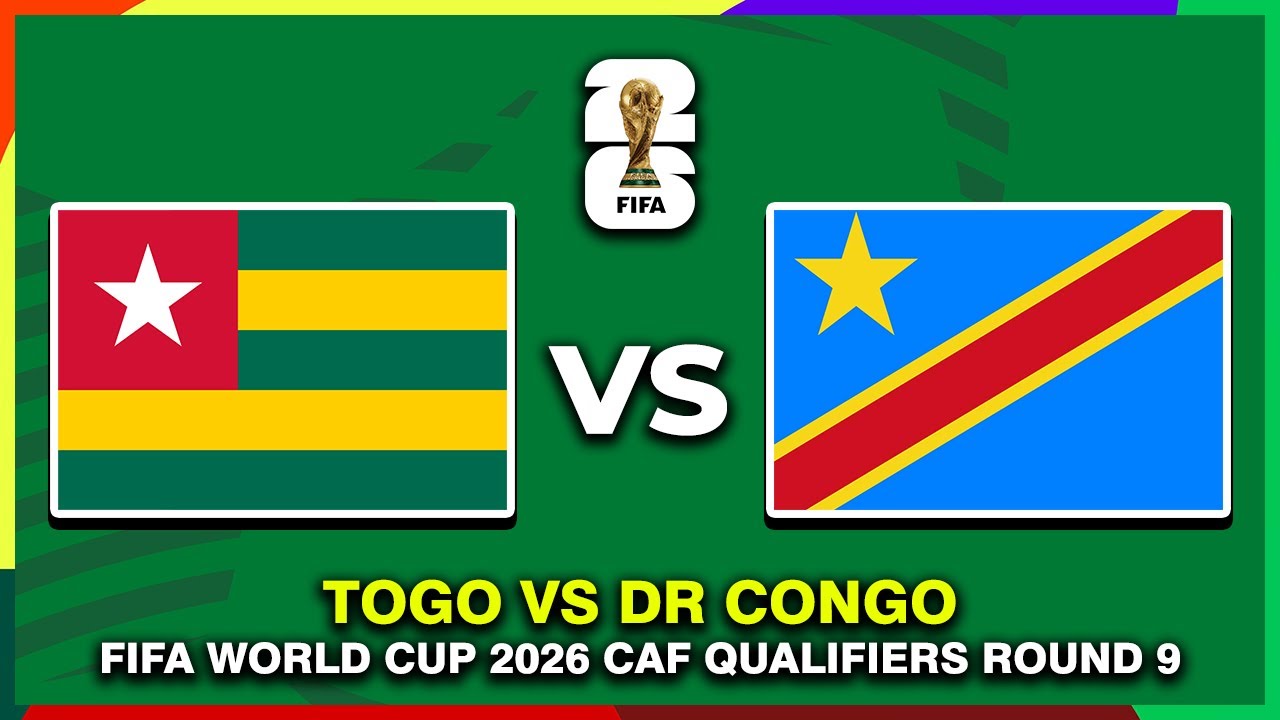
As two prominent nations in Africa, Togo and the Democratic Republic of Congo (DR Congo) showcase the continent’s rich cultural diversity and varied political landscapes. Understanding the differences between these two countries can provide insights into their unique characteristics, including geography, culture, and governance, which are critical in the context of African development and cooperation.
Geographical Overview
Togo is a small West African country bordered by Ghana, Burkina Faso, and Benin, with a coastline along the Gulf of Guinea. It spans approximately 56,785 square kilometers. In contrast, DR Congo is one of the largest countries in Africa, covering over 2.3 million square kilometers. It shares borders with nine countries, including Uganda, Angola, and the Central African Republic. This geographical discrepancy influences several aspects of their economies and populations.
Cultural Differences
Togo is known for its rich tapestry of ethnic groups and cultures, including the Ewe and Tem people. The country’s culture is a blend of traditional practices and French influences, stemming from its colonial history. The official language is French, though several indigenous languages are widely spoken.
Conversely, DR Congo is home to a multitude of ethnic groups—over 200—that contribute to a rich cultural diversity. Lingala, French, and Swahili are the primary languages spoken in various regions. Congo’s culture is marked by its vibrant music scene, being the birthplace of soukous and several other musical genres that reflect its historical depth.
Political Landscape
The political systems in Togo and DR Congo also reflect their distinct histories. Togo, a presidential republic, has been largely governed by a single family since 1967, leading to significant political tensions and protests. The current president, Faure Gnassingbé, has been in power since 2005, following the death of his father, Gnassingbé Eyadéma.
In contrast, DR Congo has faced a turbulent political landscape characterized by conflict and challenges to governance. The nation witnessed decades of dictatorship and has struggled to establish a stable democratic framework. Following significant electoral processes in recent years, Felix Tshisekedi assumed the presidency in 2019, marking a potential turning point for better governance.
Conclusion
In summary, while Togo and DR Congo are both located in Africa and share some regional similarities, their divergent histories, cultures, and political systems underline their unique identities. As Africa continues to evolve in a global context, understanding the complex dynamics between such countries becomes crucial for fostering cooperation and development across the continent. Observers will be watching closely as both nations navigate their paths forward in the coming years.