Introduction to TPS Haiti
Temporary Protected Status (TPS) for Haiti is a crucial subject for thousands of Haitians residing in the United States. Initially designated following the devastating earthquake in 2010, TPS offers a safeguard against deportation for Haitians unable to return to their home country due to ongoing instability and humanitarian crises. Given the current political and economic turmoil in Haiti, the relevance of TPS Haiti remains high as discussions evolve around its extension and eligibility.
Recent Developments and Events
As of 2023, the Biden administration has taken steps to extend TPS for Haiti amidst escalating concerns related to gang violence, political instability, and public health issues. The U.S. Citizenship and Immigration Services (USCIS) announced in October 2023 that the TPS designation for Haiti had been renewed for another 18 months, ensuring protection for Haitian nationals who applied before the January 2023 renewal deadline.
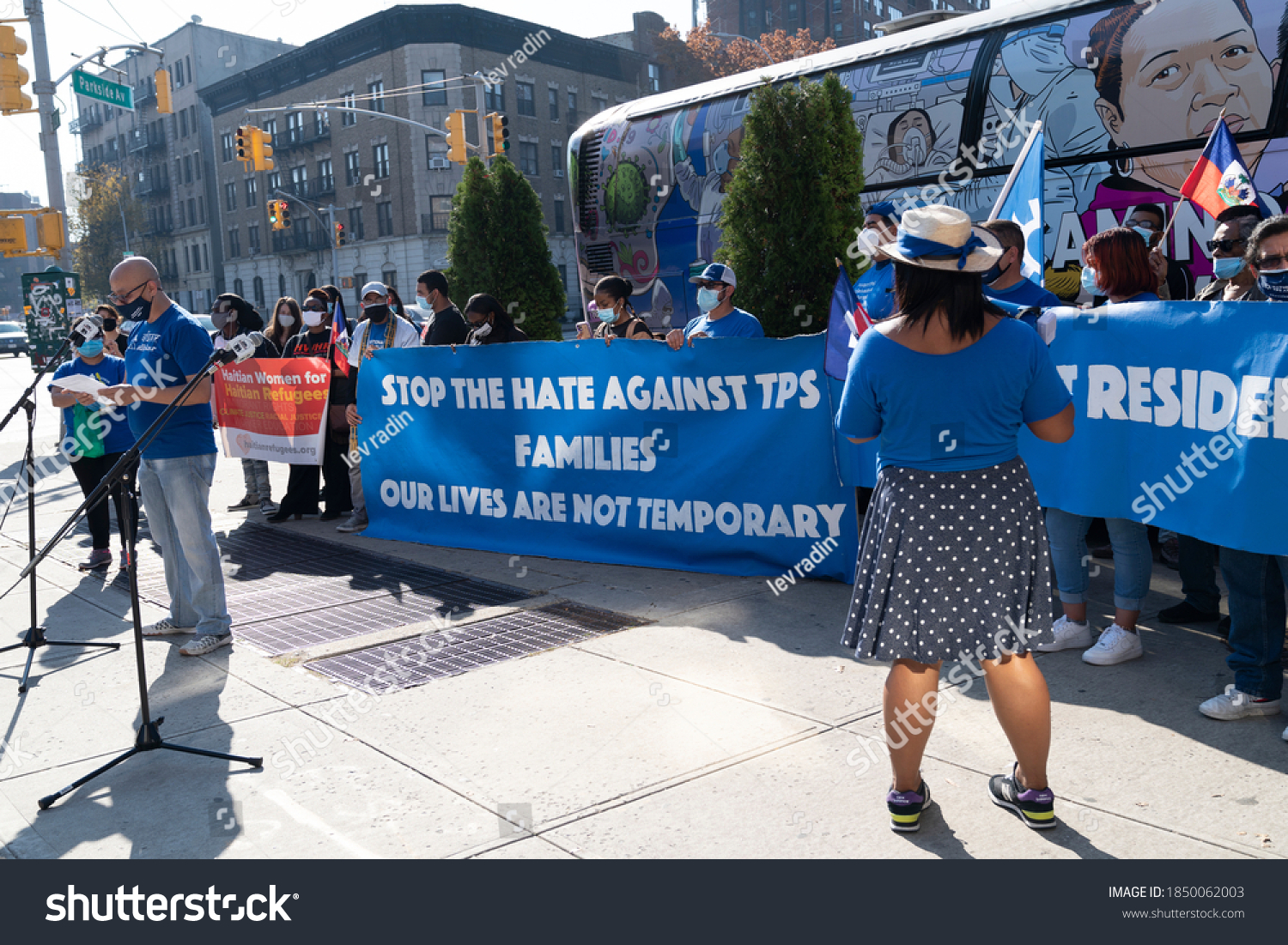
Advocacy groups, such as the Haitian Bridge Alliance and the American Civil Liberties Union (ACLU), have played a pivotal role in promoting awareness of the challenges faced by Haitians and the necessity of TPS. These organizations have highlighted the urgent need for a pathway to permanent residency for those living under TPS, as uncertainties surrounding the program continue to affect their lives. Recent demonstrations have drawn attention to the plight of Haitians, further mobilizing support for these initiatives.
The Broader Context and Future Outlook
The political situation in Haiti has deteriorated in recent years, heightening fears among migrants and their families about the safety of returning. With widespread violence and economic collapse continuing to drive people from their homes, organizations and humanitarian agencies advocate for the continuation of TPS as a vital lifeline for many Haitians.
This renewed extension not only serves to protect Haitians already in the United States but also raises questions about the future of TPS. Many stakeholders are urging legislative reforms that would create a permanent status for those affected by adverse conditions in their countries of origin.
Conclusion
The ongoing situation surrounding TPS Haiti highlights the complex interplay of humanitarian needs and immigration policy in the United States. With the protection afforded by TPS remaining critical for many Haitian nationals, the future will likely see continued advocacy and discussions aimed at achieving not only temporary relief but also a more stable future for the Haitian community in the U.S. As developments unfold, it remains imperative for those affected to stay informed about their rights and available resources.