Introduction
The approval rating of former President Donald Trump has gained significant attention as the 2024 presidential election approaches. Understanding these approval ratings is critical, as they often reflect public sentiment about Trump’s policies, leadership style, and potential candidacy. This article reviews Trump’s current approval ratings and their implications for the upcoming election cycle.
Current Approval Ratings
As of October 2023, Trump’s approval rating stands around 41%, according to the latest aggregation of polling data from sources such as Gallup and Pew Research. This marks a slight increase from earlier this year, where his approval dipped as low as 37% amid ongoing legal challenges and economic concerns.
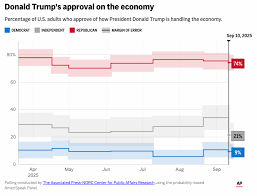
Polling indicates a divide among voters; while many Republicans express strong approval for Trump—often exceeding 80%—his support among Independents remains low, hovering in the low 30s. The polarization within the electorate continues to shape his overall approval, with many Democrats firmly disapproving of his leadership.
Factors Influencing the Approval Rating
Several factors contribute to the fluctuation in Trump’s approval rating. His ongoing legal issues, including multiple indictments, have been prominent in media coverage, impacting public perception. However, Trump’s base remains resilient, praising his policies on immigration, economy, and foreign affairs.
Additionally, issues such as inflation and unemployment levels have played a significant role. Recent data shows inflation is stabilizing, which could positively influence public perception of Trump’s previous economic policies, although current economic sentiment is often revered through the lens of the sitting administration.
Implications for 2024 Elections
As the 2024 election approaches, Trump’s approval rating could significantly influence potential Republican challengers and the strategy of his campaign. A steady approval rating in the low 40s could solidify his position as the frontrunner for the Republican nomination. However, if his legal challenges continue to escalate or if economic issues resurface, this could dampen his appeal, particularly among swing voters.
Conclusion
In conclusion, Donald Trump’s approval rating reflects both his strong support within the Republican Party and the stark divisions in American politics. As the 2024 election looms, these numbers will be crucial for his strategy and the Republican Party’s direction. Analysts will closely monitor not only how these ratings change but also how they affect Trump’s campaign and the overall electoral landscape. For voters and political observers alike, understanding these dynamics is essential for interpreting the coming election cycle.