Introduction
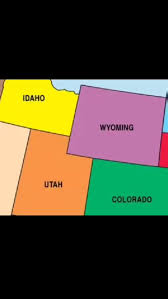
When considering the Mountain West region, Utah and Wyoming often come to mind as neighboring states that offer diverse landscapes and unique cultural experiences. Understanding the differences and similarities between Utah and Wyoming is crucial for visitors, potential residents, and businesses alike, as each state presents distinct opportunities and challenges. This article delves into the geography, economy, and culture of both states to highlight their unique characteristics.
Geographical Features
Utah is renowned for its stunning national parks, including Zion, Arches, and Bryce Canyon, which feature dramatic red rock formations and diverse ecosystems. The state’s topography includes mountains, deserts, and salt flats, creating an alluring destination for outdoor enthusiasts.
In contrast, Wyoming is the least populous state in the U.S. and is often characterized by its vast open spaces and majestic mountains, notably in Yellowstone National Park, which is America’s first national park. Wyoming is home to the Rocky Mountain range, making it a popular location for skiing, hiking, and wildlife viewing. The state’s wide-reaching landscapes contribute to its reputation for outdoor adventure.
Economy and Employment
The economies of Utah and Wyoming differ significantly. Utah has a booming economy, with sectors like technology, healthcare, and tourism driving growth. The state’s capital, Salt Lake City, is a tech hub often referred to as ‘Silicon Slopes’ due to the influx of tech companies and startups.
In contrast, Wyoming’s economy relies heavily on natural resources, particularly coal, oil, and natural gas. The state has one of the lowest unemployment rates in the country, but job opportunities outside of natural resource extraction are limited, making it essential for residents to pursue careers in these sectors. Additionally, Wyoming’s state government actively encourages tourism to diversify its economy, capitalizing on its national parks and historic sites.
Cultural Aspects
Culturally, Utah has a significant influence from the Church of Jesus Christ of Latter-day Saints, affecting social values and community life. The state hosts numerous cultural events and festivals, celebrating its rich heritage and promoting family-friendly activities.
Wyoming, on the other hand, embraces a rugged Western heritage steeped in cowboy traditions. Events like the Cheyenne Frontier Days showcase the state’s dedication to rodeo culture and its historical significance in American history.
Conclusion
In conclusion, while Utah and Wyoming share borders and certain outdoor traits, their geographical, economic, and cultural differences make each state unique. Whether one is drawn to the tech-savvy, fast-paced lifestyle of Utah or the serene, natural beauty of Wyoming, both states offer unparalleled experiences. As regional dynamics continue to evolve, the interplay between these two states is likely to foster development in tourism and regional cooperation, making them exciting places to explore and live.