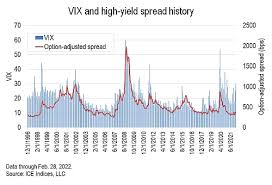
Introduction: The Importance of VIX
The VIX, commonly referred to as the “fear gauge,” is a vital tool used by investors and traders to measure market volatility. As the financial landscape continues to evolve amid economic uncertainties and geopolitical tensions, understanding the VIX has become increasingly crucial. The index reflects market expectations of future volatility based on S&P 500 options and serves as a useful barometer for risk sentiment among investors.
What is VIX and How Does It Work?
The VIX is a real-time index that represents the market’s expectation of future volatility over the coming 30 days. Developed by the Chicago Board Options Exchange (CBOE), the VIX calculates expected volatility by averaging the implied volatility of a wide range of S&P 500 options. A rising VIX indicates heightened uncertainty and often correlates with declining stock prices, while a falling VIX points to increased investor confidence and stability in the markets.
Recent Trends and Events
As of October 2023, the VIX has experienced significant fluctuations due to several macroeconomic factors. For instance, heightened concerns over inflation rates and potential interest rate hikes by the Federal Reserve have contributed to increased investor anxiety. According to recent data, the VIX has surged to levels not seen since earlier this year, spurred on by geopolitical events and economic developments that have caused market volatility to spike.
Analysts have noted that during periods of economic uncertainty, the VIX can serve as a protective measure, allowing investors to hedge against potential downturns in the market. In recent weeks, many institutional investors have increased their exposure to VIX-related products, signaling a shift towards risk aversion.
Conclusion: The Significance of VIX for Investors
Understanding the VIX is essential for anyone involved in the stock market. As volatility remains a persistent factor in today’s investment climate, the VIX provides critical insights into market sentiments and expectations. Investors should view the VIX not only as a tool for gauging risk but also as an indicator that can influence trading strategies.
Looking ahead, the continued fluctuations of the VIX will likely mirror ongoing economic developments and market conditions. Investors are advised to keep a close watch on the VIX movements to better navigate their investment decisions and adapt to the ever-changing financial landscape.