Introduction
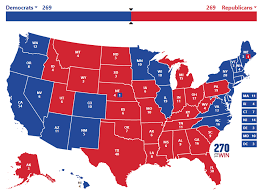
Utah has gained a reputation as a solidly Republican state, commonly referred to as a “red state.” This classification is crucial in understanding the political dynamics that shape policies and governance in the region. The significance of identifying Utah’s political leaning affects everything from local elections to national political trends, especially in the context of an increasingly polarized nation.
Historical Context
Utah’s political landscape has been predominantly Republican since the late 20th century. The state’s political affiliation can be traced back to its unique demographics, primarily influenced by the large population of members of The Church of Jesus Christ of Latter-day Saints (LDS Church), whose values often align with conservative beliefs. In the 2020 presidential election, Donald Trump received 58.1% of the votes in Utah, compared to Joe Biden’s 37.7%, cementing Utah’s status as a reliable Republican stronghold.
Recent Elections
The 2022 midterm elections further illustrated Utah’s Republican bent, with local and state offices being dominated by GOP candidates. Incumbent Governor Spencer Cox was re-elected, showcasing the state’s continued support for Republican governance. Additionally, both of Utah’s U.S. Senate seats are held by Republicans, Mike Lee and Mitt Romney, who remain key figures in national Republican politics.
Factors Influencing Political Leanings
Several factors contribute to Utah’s classification as a red state. The influence of the LDS Church plays a critical role, promoting conservative values on issues like family, education, and health care. Furthermore, demographic trends, with a growing population tending to lean conservative, such as those moving to Salt Lake City for job opportunities, have not significantly disrupted the Republican stronghold. Some urban areas show more political diversity, but their impact in statewide elections remains limited.
Conclusion
In conclusion, Utah’s identity as a red state is shaped by a combination of historical precedent, cultural influences, and demographic trends. While the political landscape is always evolving and urban areas may become more progressive, the current indicators suggest that Utah will remain a steadfast Republican state for the foreseeable future. Understanding Utah’s political alignment is essential for grasping broader national trends, especially as elections approach and voter engagement intensifies.