Introduction to WMATA
The Washington Metropolitan Area Transit Authority (WMATA) plays a critical role in the public transportation landscape of the District of Columbia and surrounding regions. As urban centers expand, reliable transit systems like WMATA are essential for reducing congestion, providing mobility, and promoting sustainable transportation options. WMATA operates the Metrorail and Metrobus systems, which serve millions of riders each year, making its performance and future developments crucial for residents and visitors alike.
Recent Developments
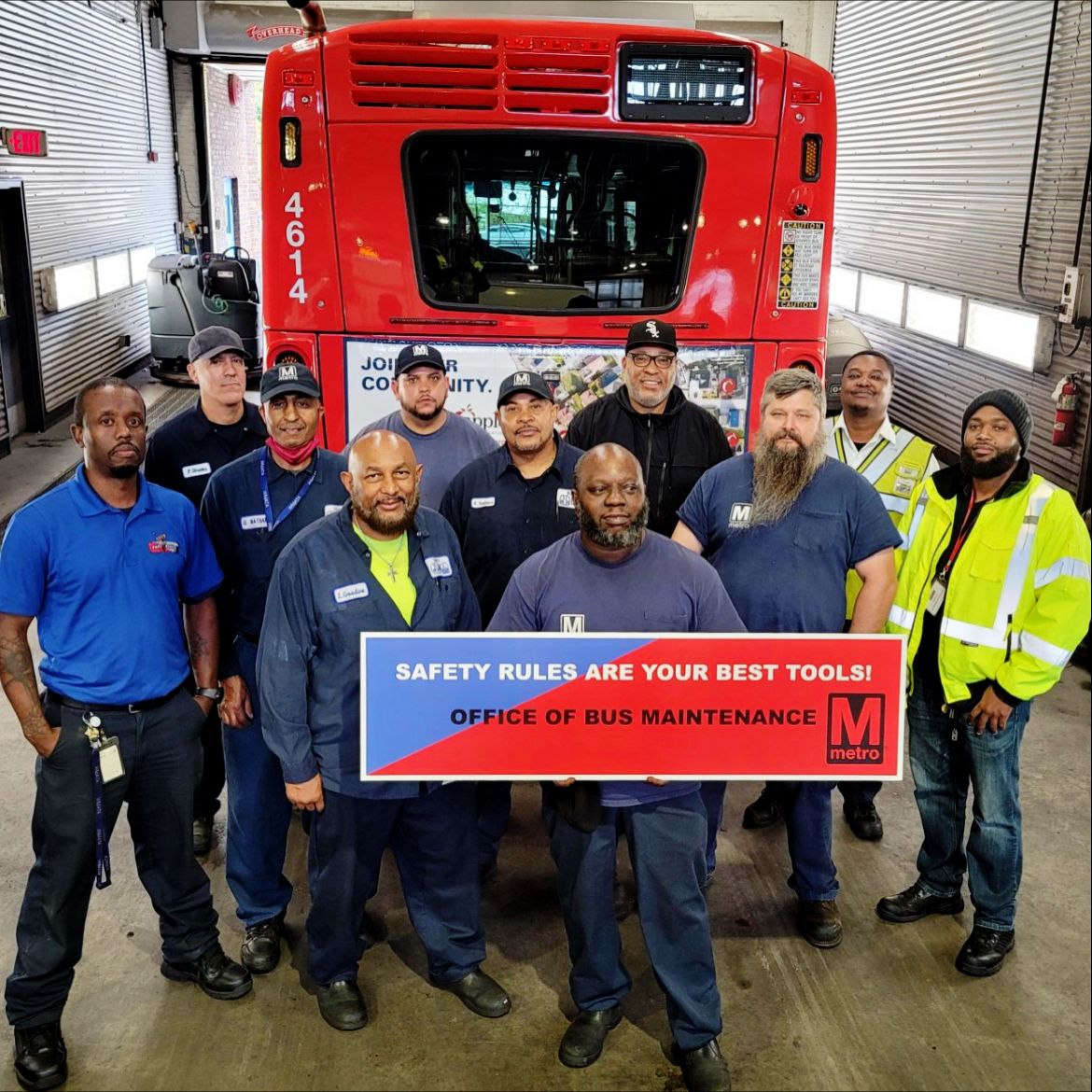
In recent months, WMATA has embarked on several key initiatives to enhance service and address long-standing challenges. A significant focus has been on improving safety and reliability following a series of incidents that have raised concerns among commuters. In September 2023, the authority announced a comprehensive maintenance plan for its aging infrastructure, aiming to reduce delays and improve overall service.
Moreover, WMATA has been exploring technological advancements to modernize its operations. This includes the rollout of a new mobile app designed to streamline route planning and provide real-time updates on service disruptions. Transit experts have noted that such tools are vital in making the metro experience user-friendly and efficient, especially as Washington D.C. continues to grow.
Community Engagement and Feedback
WMATA’s decision-making process has increasingly prioritized community engagement. In August 2023, public forums were conducted to gather input on proposed changes to bus routes and fare structures. The feedback received will guide upcoming budgetary decisions and service adjustments. This approach reflects a growing recognition of the importance of rider perspectives in building a more effective transit system, which is particularly significant in a diverse metropolitan area.
Conclusion
The Washington Metropolitan Area Transit Authority is undeniably central to the daily lives of millions. As WMATA advances its maintenance plans, leverages technology, and actively engages with the community, it has the potential to significantly enhance the public transportation experience. Observers predict that these efforts could lead to increased ridership in the coming years, an encouraging sign for urban mobility and sustainability in the D.C. area. For residents and visitors alike, staying informed about WMATA’s developments is essential for navigating the city efficiently.