Introduction
The United Nations Relief and Works Agency for Palestine Refugees in the Near East (UNRWA) is facing an unprecedented crisis due to chronic funding shortages. Established in 1949 to aid Palestinian refugees, the agency plays a critical role in providing education, healthcare, and social services to millions in the Middle East. It is increasingly relevant today as the conflict in the region continues and the needs of the refugees grow.
Current Funding Challenges
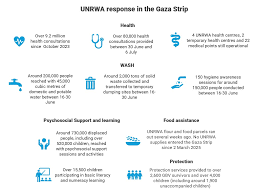
As of October 2023, UNRWA reported a funding shortfall of approximately $100 million, exacerbated by ongoing geopolitical tensions and a reduction in contributions from several member countries. These unmet financial obligations are jeopardizing vital services including schools, healthcare facilities, and food assistance programs for over 5.7 million Palestinian refugees across regions including Gaza, the West Bank, Jordan, Lebanon, and Syria.
The agency’s commissioner-general, Philippe Lazzarini, has emphasized that if the current funding model does not change, UNRWA will soon not be able to fulfill its primary mandate, leading to serious humanitarian consequences. He stated, “We are on the verge of a collapse that no one can afford.” As the organization scrambles for new partnerships and funding sources, many refugees face an uncertain future where basic services might be severely limited.
Impact on the Refugee Population
Historically, UNRWA has been an essential lifeline for Palestine refugees. Besides educational and health services, the agency also provides emergency assistance during times of conflict. However, the current funding crisis poses severe threats to these services. Schools may close, and access to medical care could drastically diminish, increasing the vulnerability of an already marginalized population.
Moreover, the fallout from reduced funding reaches beyond education and health. It also poses significant risks of social unrest within Palestinian communities that rely heavily on UNRWA support, which could further destabilize the region.
Conclusion
The challenges facing UNRWA highlight the urgent need for a sustainable funding strategy and increased international support. Without immediate assistance, millions of lives are at risk. As the agency calls for a reinvigoration of political commitment from the international community, the significance of UNRWA can no longer be overlooked—both as a humanitarian agency and as a crucial stabilizing factor in a volatile region. The future of Palestinians depends on the immediate and sustained support to continue its mission.