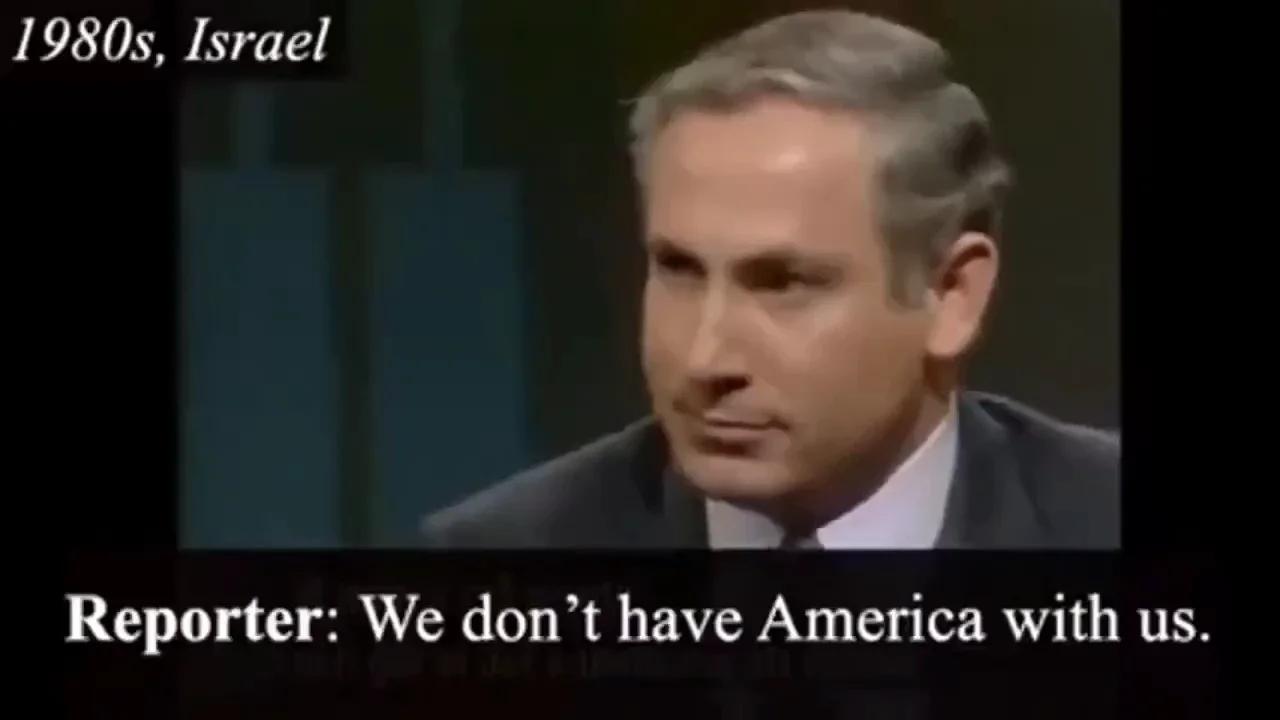
Introduction
Benjamin Netanyahu, the longest-serving Prime Minister of Israel, remains a pivotal figure in global politics. His leadership has been marked by significant domestic and international implications that continue to influence the geopolitical landscape of the Middle East. As Israel faces a myriad of challenges, including security threats and internal divisions, understanding Netanyahu’s policies and decisions is crucial for grasping the current and future state of the region.
Current Political Climate
As of late 2023, Netanyahu is navigating complex dynamics following Israel’s elections, which took place in November 2022. His coalition government, comprised of both right-wing and religious parties, has faced pressure to address pressing issues such as economic stability, social justice, and the ongoing conflict with Palestine. Recent protests against judicial reforms have demonstrated the public’s discontent with his administration, putting additional strain on his leadership.
In response to these challenges, Netanyahu has emphasized security, maintaining a hardline approach towards Hamas and other militant groups. Following a surge in violence in Gaza, he has reiterated the importance of military readiness and intelligence, attempting to position himself as a strong leader capable of safeguarding Israeli citizens.
International Relations
Netanyahu’s administration is also focused on strengthening alliances, particularly with the United States and other Western nations. His recent visit to Washington highlighted efforts to reinforce bilateral ties amidst concerns over Iran’s nuclear ambitions and its influence in the region. The Biden administration has expressed support for Israel’s right to defend itself, but has also called for renewed peace talks with the Palestinians.
Moreover, Netanyahu has sought to expand diplomatic relations with Arab nations, building on the Abraham Accords established during his previous term. These agreements have signaled a shift in Middle Eastern politics toward normalization, which he believes can lead to greater economic opportunities and regional cooperation.
Conclusion
The trajectory of Benjamin Netanyahu’s leadership remains a focal point for understanding Israel’s future. As he confronts both internal dissent and external threats, his ability to navigate these challenges will significantly impact the nation’s political stability and peace efforts in the region. Observers are keenly watching the evolving situation, as Netanyahu’s strategies will undoubtedly shape not only Israel’s domestic policies but also its relationship with neighboring countries and global powers. As events unfold, the Palestinian conflict continues to be one of the most critical issues he will have to address, influencing both his legacy and the lives of those in the region.