Concerns Rise Over Phone Searches by US Border Agents
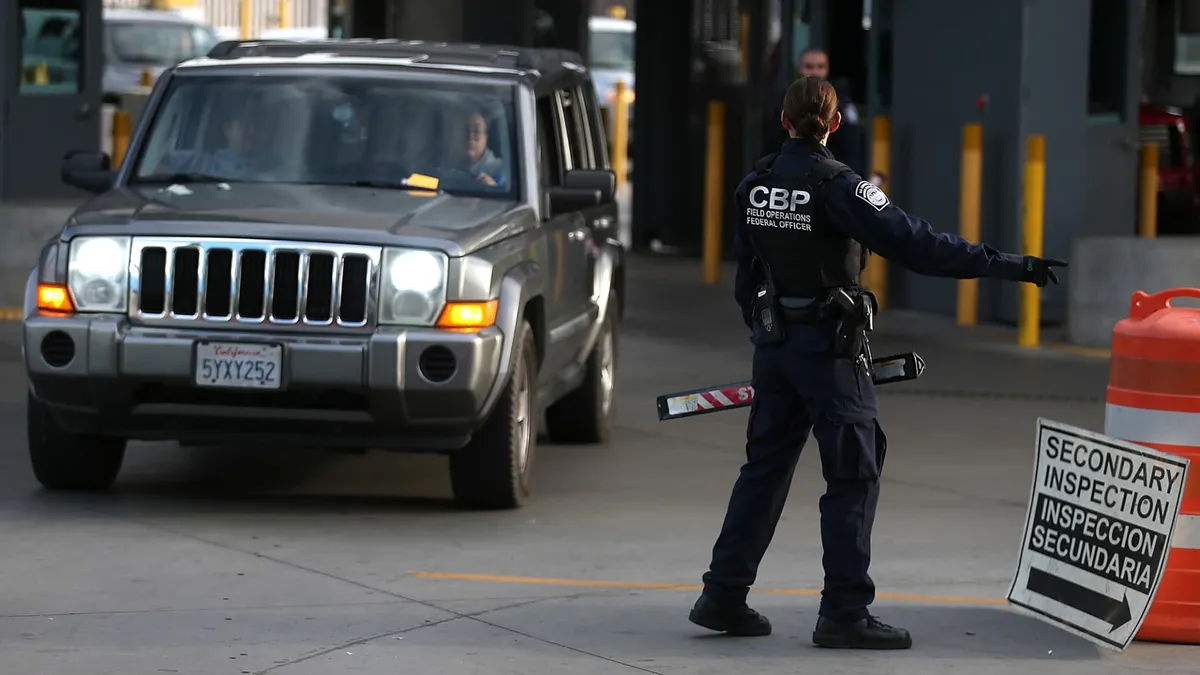
The authority of U.S. Customs and Border Protection (CBP) officers to inspect electronic devices at the border has raised significant concerns among travelers. Recent incidents have highlighted the implications of this practice, particularly for Canadians traveling to the United States.
A Canadian teenager recently expressed anxiety about being searched by U.S. border agents due to a tag on their backpack. This sentiment resonates with many Canadians, especially amid political tensions that have made travel to the U.S. feel increasingly precarious.
Online discussions reveal that while some Canadians find the experience of entering the U.S. relatively uneventful, there are notable exceptions. A U.S. citizen, Sunny Naqvi, was detained for approximately 43 hours at Chicago O’Hare International Airport after returning from an overseas trip.
Naqvi’s detention was attributed to a ‘curious travel history’ as she traveled with colleagues on a work trip that faced visa issues. During her detention, her family tracked her phone to an ICE processing facility, raising alarms about her whereabouts.
Officials searched Naqvi’s phone during her detention, but her location was lost when the device was turned off. This incident has sparked discussions about the extent of border agents’ powers and the privacy rights of travelers.
Naqvi was eventually transferred to a detention facility in Wisconsin before her release, but the exact reasons for her detention remain unclear. Only the vague description of a ‘curious travel history’ was provided by authorities, leaving many questions unanswered.
Cook County Commissioner Kevin Morrison noted that officials asked for Naqvi’s phone number to locate her phone within the facility, highlighting the invasive nature of such searches. The implications of these practices are significant, as they may deter travelers from crossing the border.
As concerns grow, the Department of Homeland Security (DHS) faces pressure to clarify the criteria used for detaining individuals like Naqvi. One observer stated, “DHS owes Naqvi and the American public an explanation…”
Details remain unconfirmed regarding the specific criteria that led to Naqvi’s detention, leaving travelers uncertain about their rights and the potential for similar experiences.
The ongoing discussions about U.S. border agents searching phones underscore the delicate balance between national security and individual privacy rights, a topic that continues to evolve as more travelers share their experiences.