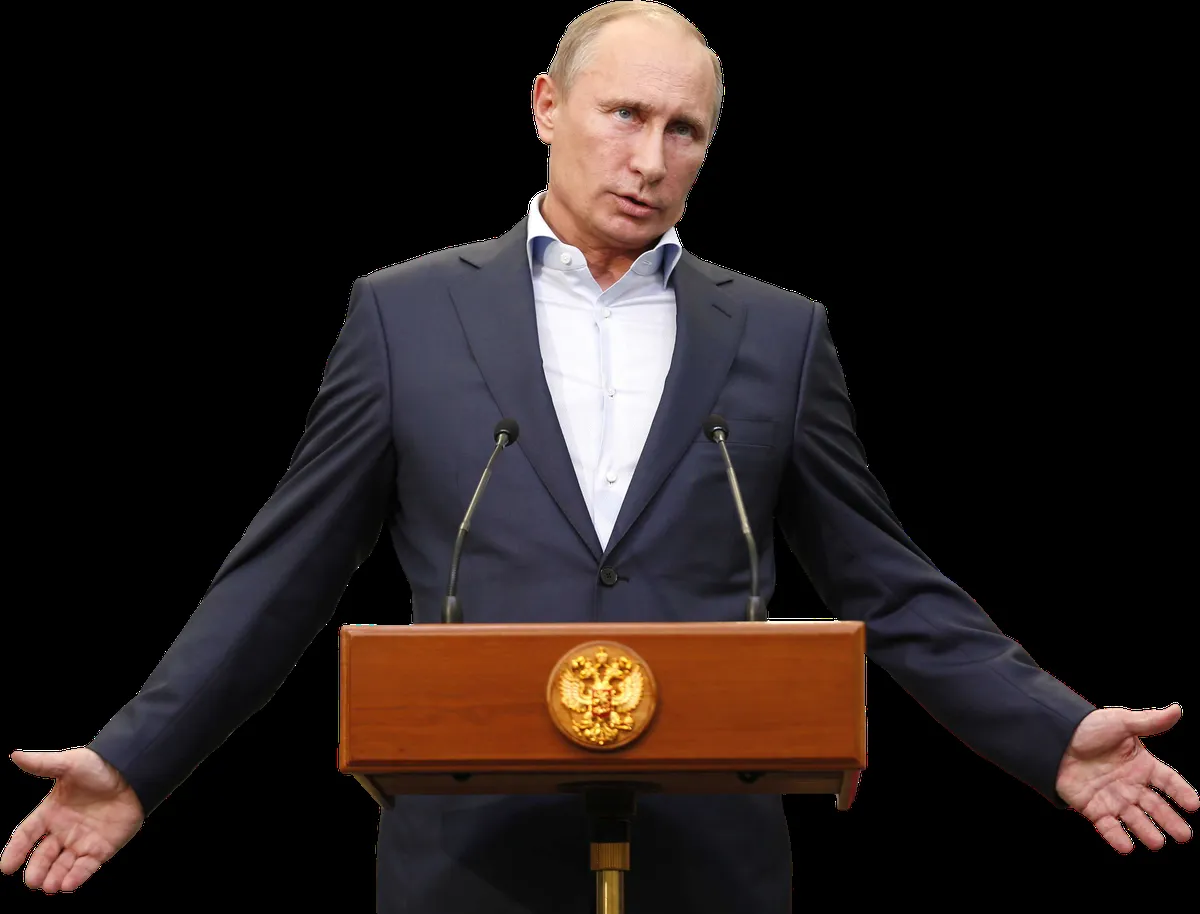
Putin’s regime is intensifying its crackdown on dissent. This development comes as Russia faces a spring of discontent four years after the full-scale invasion of Ukraine.
Rolling digital blackouts in Russian cities have sparked public pushback against Putin. Reports indicate that these outages have become increasingly common.
As of midday, the Russian government has launched a new round of high-profile political arrests and raids. Notably, the publisher Eksmo was raided under allegations of promoting ‘LGBTQ propaganda.’
Additionally, Novaya Gazeta, an independent newspaper, faced police raids amid a broader crackdown on free expression.
Putin’s government is also reviving symbols of political repression from the Soviet past. This revival raises concerns about the future of dissent in Russia.
In 2023, Russia’s Supreme Court declared the international LGBTQ movement an extremist organization. This ruling further targets LGBTQ activism within the country.
Putin acknowledged the digital blackouts but suggested that public information could hinder operational security. He stated, “Widespread public information in advance can be detrimental to operational development.”
Yet, many citizens are frustrated with the government’s handling of these issues. They demand accountability and transparency.
The crackdown occurs against a backdrop of long-standing hostility towards what Putin deems dangerous Western ideas. Critics fear this trend will escalate further.
As reactions unfold, it remains uncertain how these actions will impact public sentiment. The next significant ruling regarding these issues is anticipated soon.