Introduction
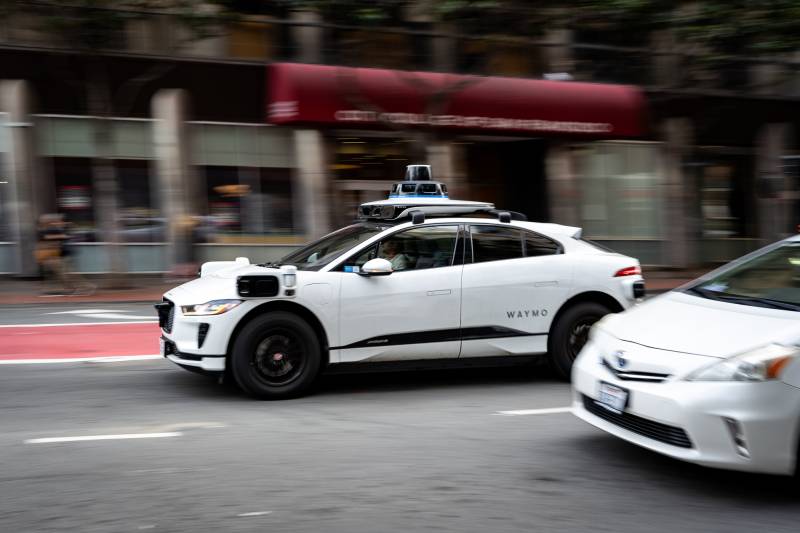
Waymo, a subsidiary of Alphabet Inc., has been at the forefront of autonomous vehicle technology since its inception in 2009. With self-driving cars becoming increasingly relevant to the future of transportation, understanding Waymo’s advancements and contributions is essential for both consumers and industry stakeholders. As cities face growing traffic concerns and environmental challenges, the role of autonomous vehicles, spearheaded by companies like Waymo, is likely to become evermore prominent.
Recent Developments
In recent months, Waymo has made significant strides in its testing and deployment of self-driving technology. In October 2023, Waymo announced the expansion of its driverless ride-hailing service in several key U.S. cities, including parts of San Francisco and Phoenix. This rollout is part of a broader strategy to integrate autonomous vehicles into urban transportation systems effectively.
Waymo’s fleet, which comprises fully autonomous cars equipped with advanced sensors and AI, has completed millions of miles in testing. These cars have shown remarkable safety records, with data indicating a significant reduction in accident rates compared to human-driven vehicles. Furthermore, the company has been actively working with local governments to address regulatory concerns and set safety standards for the operation of autonomous vehicles on public roads.
Partnerships and Collaborations
To enhance its technology and expand its market reach, Waymo has forged strategic partnerships with various organizations. Notably, it joined forces with transportation companies and tech firms to create a more integrated autonomous ecosystem. These collaborations aim to streamline logistics and provide first-mile and last-mile solutions, which are critical in urban settings, further establishing Waymo’s footprint in the autonomous vehicle space.
Future Outlook
Looking ahead, industry experts predict that Waymo will continue to solidify its leadership position in the autonomous vehicle market. As electric vehicle technology and AI continue to advance, we may see Waymo’s cars becoming a common sight on city streets as urban areas seek sustainable transportation solutions. Analysts suggest that within the next five years, we could witness a significant increase in adoption rates, particularly in metropolitan areas grappling with heavy traffic congestion.
Conclusion
Waymo’s trajectory underscores the rapid evolution of transportation technology. As it navigates regulatory landscapes and consumer sentiment, the company is setting benchmarks for safety and reliability in autonomous driving. For readers, this marks a pivotal moment to observe how such technological advancements may impact daily commuting and urban planning in the near future.