Introduction
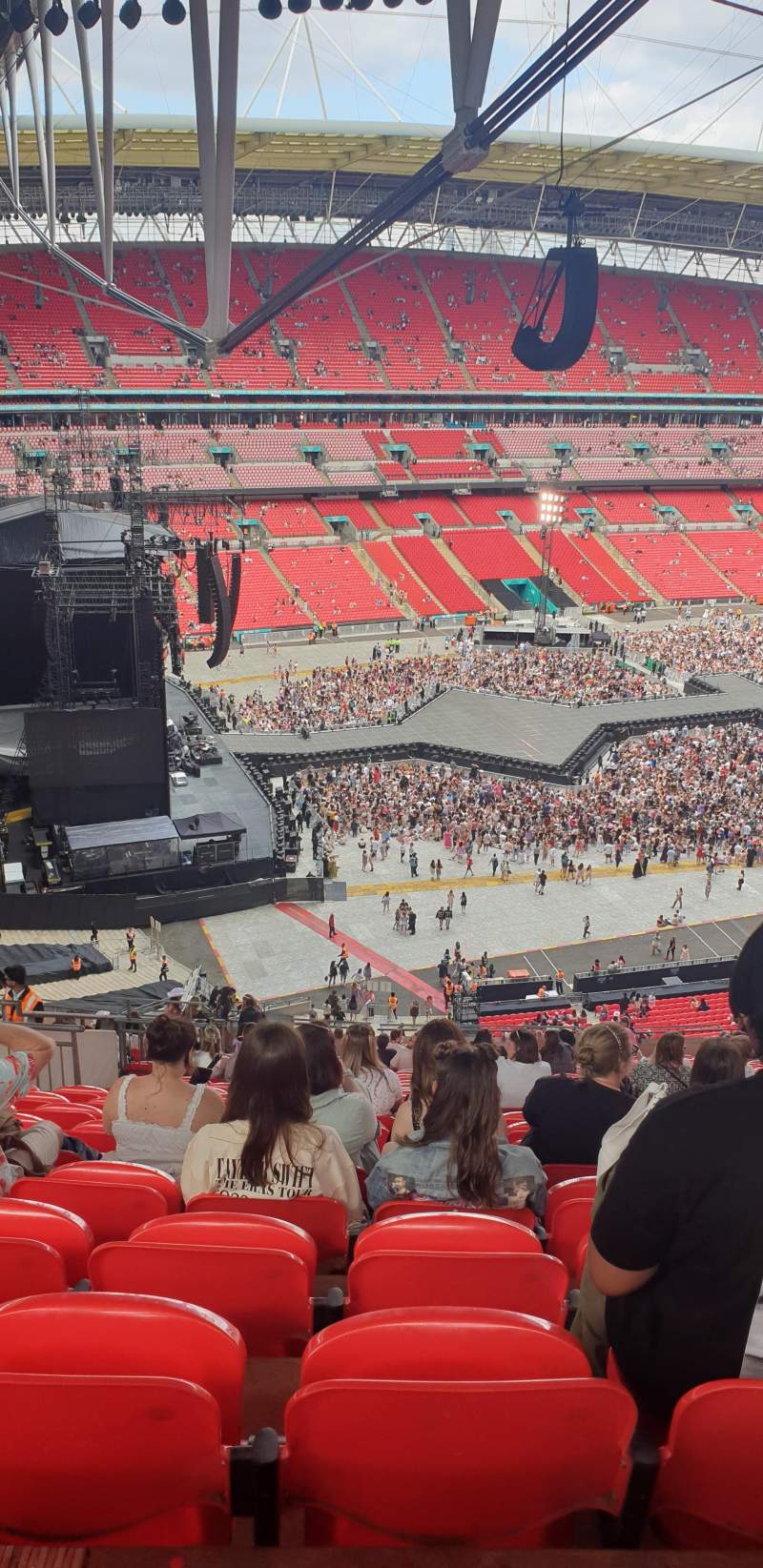
Wembley Stadium, often referred to as the ‘home of football,’ is one of the most iconic sports venues in the world. Located in Wembley, London, it holds a rich history of major sports events, concerts, and cultural moments that resonate with millions. Recently, Wembley has witnessed a resurgence of fan engagement, drawing attention to its role in hosting international tournaments and concerts, especially after the challenges presented by the COVID-19 pandemic.
Major Events and Recent Developments
The stadium, with its renowned arch and seating capacity of 90,000, has been at the center of pivotal sporting events including the UEFA Euro 2020 finals, which were held in July 2021 after a year of postponement. Italy triumphed over England in a tense penalty shootout, marking a historic moment for Italian football and a bittersweet memory for English fans.
Moreover, Wembley Stadium is not just limited to football; it has hosted numerous significant events, from the Rugby League World Cup to major concerts featuring global artists. In 2023, Wembley made headlines again by hosting the FA Cup Final, where Manchester City emerged victorious, adding another trophy to their cabinet. Events like these highlight Wembley’s ability to adapt and cater to various sports & entertainment needs.
Impact and Future Significance
The resurgence of in-person events at Wembley Stadium post-pandemic indicates a robust recovery for the events industry. Stadium executives have reported increased ticket sales and a growing demand for both sporting events and concerts. This spike in interest not only supports local economies but also reinforces the stadium’s position as a cultural landmark.
Looking ahead, Wembley Stadium continues to be a focal point for sports tourism and entertainment in the UK. Upcoming events include the 2023 Women’s World Cup qualification matches, which promise to attract a diverse audience and further cement its status as a leading venue. Furthermore, ongoing renovations and technological upgrades aimed at enhancing visitor experience are in the works, with plans to make the infrastructure more sustainable and accessible.
Conclusion
As we move into a future filled with potential events, the legacy of Wembley Stadium will undoubtedly grow. Its importance extends beyond sports; it is a cultural icon that represents togetherness, excitement, and the spirit of competition. Whether you’re a sports fanatic or a concert-goer, Wembley Stadium remains an essential destination on the global stage.